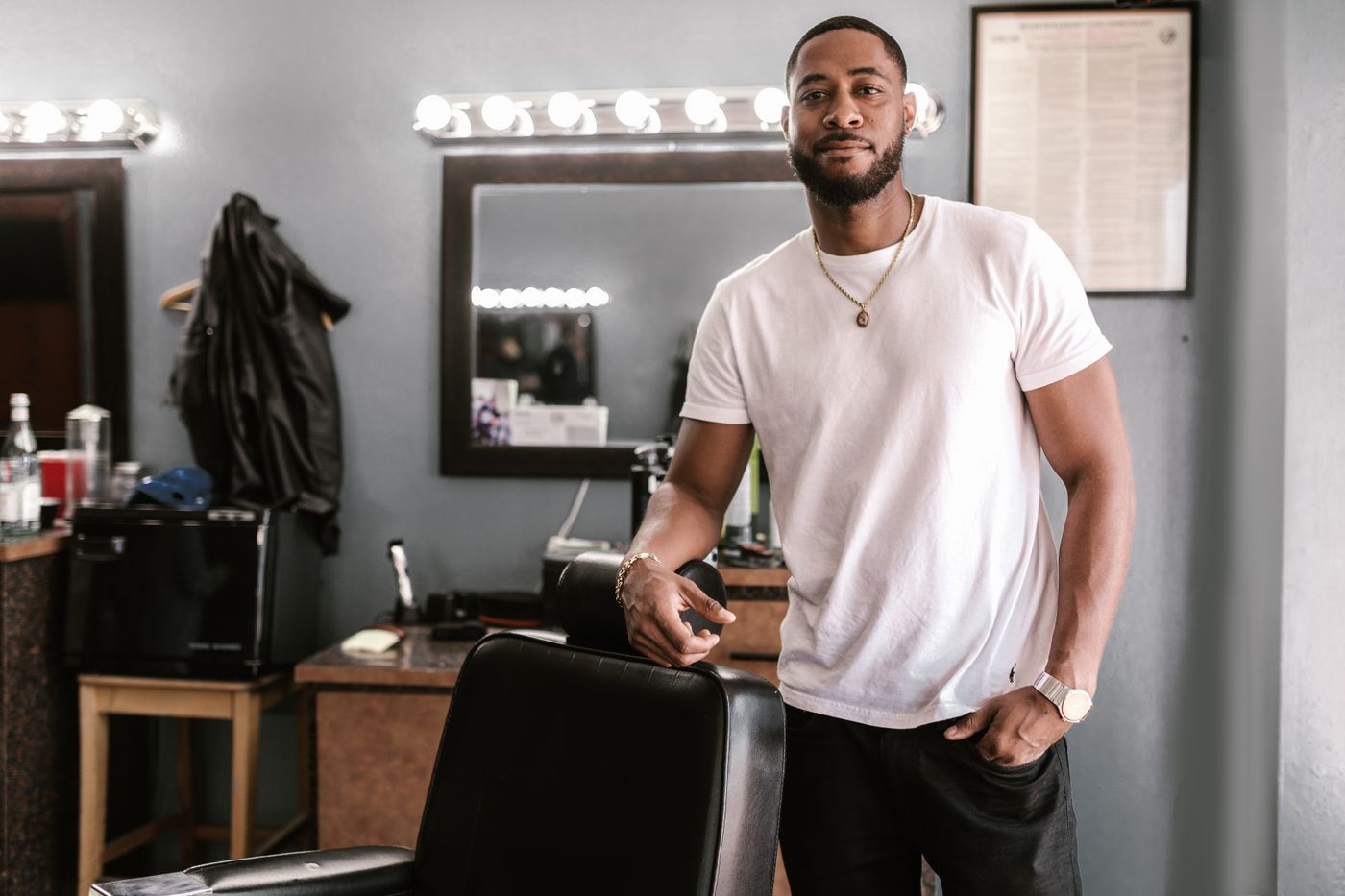
A female barber is a licensed grooming professional who specializes in precision hair cutting, clipper fades, straight razor shaves, and facial hair sculpting for clients of all genders.
Professional terminology in barbering focuses on technical skill and licensing status rather than practitioner gender.
The standard industry title for any licensed professional practicing barbering is Barber or Master Barber. Historical gendered terms such as "lady barber" or "barberina" have fallen out of favor in modern shop settings. Utilizing gender-neutral professional titles reinforces equal qualifications across state licensing requirements.

Barbering qualifications depend on mastering physical tools, hair anatomy, and spatial symmetry. Dispelling misconceptions regarding female barbers expands career accessibility:
Mastering barbering demands combining technical precision in skin fades and straight razor alignment with effective client consultation strategies.
Executing clean skin fades requires mastering clipper lever adjustments and guard numbering systems. Transitioning smoothly from a zero guard to a 1.5 guard without harsh demarcation lines relies on flick-of-the-wrist C-stroke motions. Utilizing zero-gapped skeleton trimmers secures crisp hairline perimeter definition.
Offering traditional straight razor shaves elevates standard haircuts into luxury grooming experiences. Preparing the skin with warm lather and hot towels softens coarse facial hair follicles. Holding single-blade shavettes at strict 30-to-45-degree angles while pulling skin taut prevents razor burn and ingrown hairs, establishing high-ticket service menu options.
Building a steady client pipeline requires leveraging visual social platforms to showcase technical haircut transformations and client reviews.
Publishing high-definition time-lapse videos of skin fades, razor designs, and beard trims on Instagram Reels and TikTok drives local discovery. Highlighting before-and-after client transformations demonstrates technical problem-solving. Tagging precise shop map locations and regional hashtags (#ChicagoBarber, #LAFemaleBarber) routes local search traffic directly to personal booking links.
Creating an independent brand identity establishes professional credibility beyond shop employment. Collecting verified client reviews praising punctuality, technical skill, and consultation quality builds social proof. Maintaining consistent portfolio posting schedules positions barbers for brand ambassador roles with major clipper manufacturers.
Managing client booking profiles and marketing outreach requires centralized digital management. Review industry platform standards in our evaluation of best salon software.
Female barbers establish independent shop ownership, brand ambassadorships, and specialized educational networks to navigate traditional industry barriers.
Navigating male-dominated shop environments involves countering gender bias through verified technical performance and clear boundary setting. Joining professional trade associations, attending national barber conventions, and forming peer mentorship networks provides career guidance, enabling women to transition from booth renters to shop owners.
Women-owned barbershops redefine traditional shop culture by creating welcoming aesthetic spaces for clients of all backgrounds. Prioritizing online booking transparency, clean sanitary stations, and professional consultation standards attracts diverse client demographics, driving higher average appointment values.
Examining successful female barbers highlights diverse business models, educational leadership, and brand equity development across the grooming sector.
Brandi LaShay is a Master Barber, BaByliss Barberology Platform Educator, and owner of The Barber Doll House in Atlanta, Georgia. With over 25 years of industry experience, she won Barbercon's Best Female Barber of the Year award in 2019. Brandi specializes in teaching high-definition hair design and placement symmetry, advocating for female self-empowerment through technical mastery.
Tina Sapia owns and operates Sapia's Barbershop and Ciao Bella Salon in Clearwater, Florida. Over a decade, Tina built a multi-service brand incorporating custom grooming products, merchandise, and inclusive shop culture. As a Booksy Ambassador and Wahl Educator, she organizes regional Barber Battles and provides free clipper training classes to community programs.
After facing initial shop hiring rejections, Taylor Leven established Headspace Barbershop outside Chicago at age 25. Her studio merges cosmetology and traditional barbering into a gender-neutral grooming concept. Taylor leverages digital marketing expertise and social media channels to educate barbers on modern salon operations. Learn more about her story in our feature on Taylor Leven's industry impact.
Christy Clips is a licensed cosmetologist, men's hair consultant, and boutique shop owner in San Antonio, Texas, with 14 years of industry experience. She specializes in modern male grooming and social media marketing strategies, demonstrating how to build a respected feminine personal brand within the men's hair industry. Read her feature in our spotlight on Christy Clips.
Scaling a barbershop business requires integrating digital management platforms to handle 24/7 client booking, collect non-refundable deposits, and eliminate administrative phone disruptions.
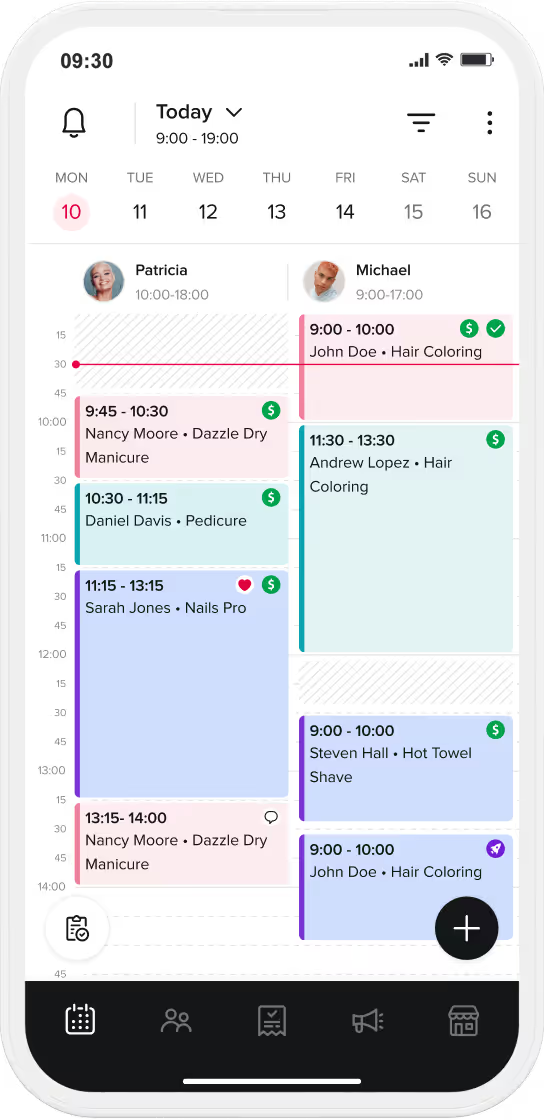
Prospective clients search for barber portfolios and service availability outside standard shop hours. Utilizing barber scheduling software like Booksy Biz enables barbers to embed direct booking links into Instagram bio profiles, Facebook pages, and Google Business Profiles.
Automating calendar scheduling allows barbers to focus on in-chair technical execution, personalized consultations, and high-margin product upselling.
Unfilled chair time caused by late cancellations or client no-shows directly reduces daily barber earnings. Implementing Booksy Biz empowers independent barbers and shop owners to enforce automated cancellation policies.
Requiring upfront deposits (20% to 50%) via integrated payment gateways commits clients financially prior to appointment times, reducing no-show rates below 2% and protecting weekly revenue.
Yes, women complete identical state board licensing examinations and technical training as men, mastering clipper work, razor line-ups, skin fades, and beard grooming for clients of all genders.
The standard professional title for a woman in the grooming industry is simply a Barber or Master Barber, as gendered terms like "lady barber" or "barberina" are considered outdated.
A female barber builds a loyal client base by delivering consistent technical haircuts, maintaining punctual schedule management, publishing video portfolio transformations on social media, and providing transparent online booking.
Yes, male clients regularly choose female barbers based on technical skill, consultation communication, sanitary station hygiene, and positive client reviews.
Online booking software like Booksy Biz supports independent barbers by capturing reservations 24/7, processing pre-service deposits, sending automated SMS confirmations, and logging individual client formulas and preferences.