A barbershop equipment checklist is a comprehensive inventory of professional furniture, precision cutting tools, sanitation supplies, and retail inventory required to establish an operational barbershop while complying with state cosmetology board health standards.
Setting up a physical barbershop floor requires selecting durable commercial fixtures designed for heavy daily usage and client comfort.
The barber chair is the centerpiece of every cutting station. Professional models require cast-iron or steel hydraulic bases supporting up to 400 lbs, full 360-degree rotation with locking mechanisms, adjustable headrests, and smooth back-reclining mechanisms essential for traditional straight razor shaves.
Workstations require non-porous, chemical-resistant surfaces (granite, quartz, or high-pressure laminate) that withstand hot tools and spilled liquid disinfectants. Each station includes lockable tool drawers, built-in clipper pockets, integrated electrical outlets, and high-clarity wall mirrors with neutral LED backlighting to eliminate shadows during lineups.
Shampoo stations require professional side-wash or back-wash porcelain basins fitted with vacuum breakers, hot and cold mixing valves, and hair traps to meet local plumbing codes. Installing proper backbar plumbing ensures smooth workflow during post-cut washes, scalp treatments, and hot towel applications.
Professional cutting stations require specialized handheld tools designed for high-rotational motor power, ergonomic wrist balance, and sharp edge retention during continuous daily cuts.
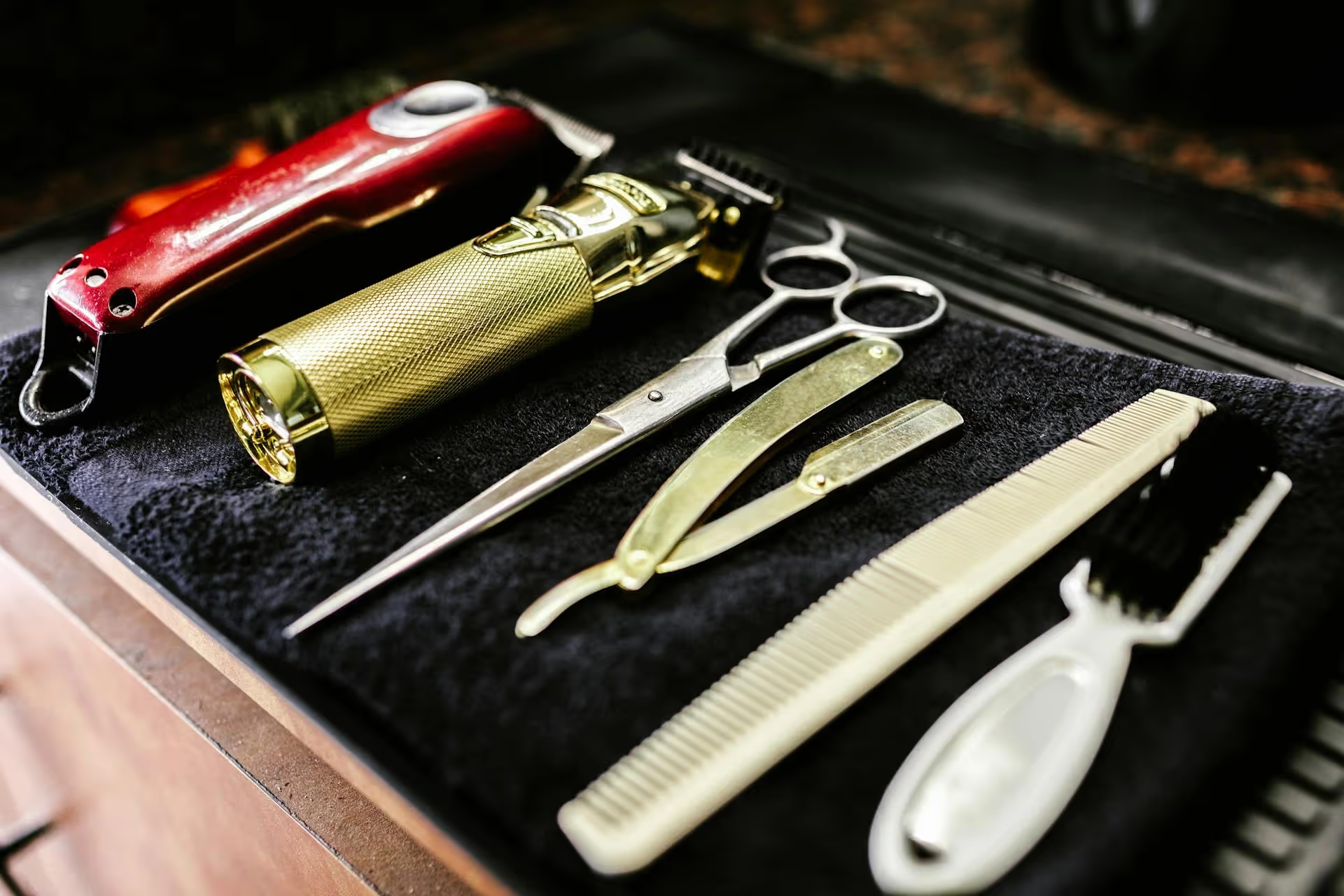
A professional barber essentials kit includes at least 2 primary clippers and 2 detail trimmers to prevent thermal motor overload during back-to-back appointments. Cordless clippers equipped with lithium-ion batteries deliver up to 120 minutes of continuous runtime, providing maximum mobility around styling chairs.
Detail trimmers utilize exposed 360-degree T-blades set to zero-gap alignment. This tight blade gap creates crisp perimeter lineups, beard shaping, and clean necklines without causing skin irritation or pseudofolliculitis barbae.
Hand-crafted cutting shears range from 6.0 to 7.0 inches for scissor-over-comb techniques and bulk removal, while 5.5-inch shears handle intricate ear detailing. Thinning and texturizing shears feature 28 to 40 convex teeth to blend harsh transition lines in skin fades seamlessly.
Straight razors used in modern commercial shops utilize replaceable single-edge blade arms (shavettes). Inserting a fresh, sterile blade for every client eliminates cross-contamination risks while ensuring razor-sharp execution during hot towel shaves.
Every workstation maintains a complete selection of carbon-fiber styling combs, wide-tooth detanglers, heat-resistant blow-drying brushes, and flexible fade combs. Soft nylon neck dusters paired with talcum powder remove loose cut hair from client skin.
When clients ask what barbers spray on hair before or during a haircut, stations utilize fine-mist water sprayers containing pure water mixed with leave-in conditioner or astringent witch hazel. Water dampens hair cuticles for consistent scissor tension, while witch hazel cools and soothes the scalp during razor work.
Maintaining state board sanitation compliance requires EPA-registered hospital-grade disinfectants, closed-container sterilization systems, and strict waste disposal protocols between every client appointment.
State cosmetology boards enforce hospital-grade disinfection standards for all non-porous tools contacting client skin. Immersion jars placed at every station contain EPA-registered bactericidal, virucidal, and fungicidal solutions. Shears, combs, and plastic guard attachments require thorough washing with soap and water prior to complete immersion for the manufacturer-mandated contact time.
Clipper blades and metal edgers that cannot undergo liquid submersion require aerosol disinfectant sprays. Applying multi-action spray lubricants lowers blade temperature, prevents friction wear, and kills surface pathogens during active station rotations.
Straight razor shaving services require rigid, wall-mounted or counter-top sharps containers. Used razor blades deposit directly into sealable biohazard bins to eliminate accidental needle-stick or cut injuries among barber staff and sanitation workers.
General station waste receptacles feature foot-pedal operation to prevent cross-contamination from gloved hands. Used neck strips, cotton wipes, and single-use razor wrappers dispose into covered trash bins immediately following service completion.
Managing barber shop supplies requires separating retail shelf inventory from professional backbar styling chemicals to maximize profit margins and track stock depletion accurately.
Backbar stations maintain dedicated stock for active hair processing and hot towel shaving treatments. Essential shaving inventory includes pre-shave oils, concentrated lather creams, hot towel steamer cabinets, and post-shave astringents. Utilizing hot lather machines and witch hazel treatments soothes facial pores and seals micro-abrasions following blade passes.
Planning initial chemical stock and backbar equipment forms a core operational step when building a new business budget. Review our complete strategic roadmap on how to start a barber shop to calculate opening capital requirements and legal setup steps.
Retail product displays positioned in reception and waiting areas drive high-margin secondary revenue. High-performing retail inventories include water-based pomades, matte clays, hair styling powders, beard balms, and specialized grooming washes. Maintaining a 40% to 50% retail markup margin generates predictable retail profit alongside service revenue.
Acquiring physical barber equipment provides the foundation, but maintaining profitability requires cloud-based management software to track stock depletion, optimize chair utilization, and automate client scheduling.
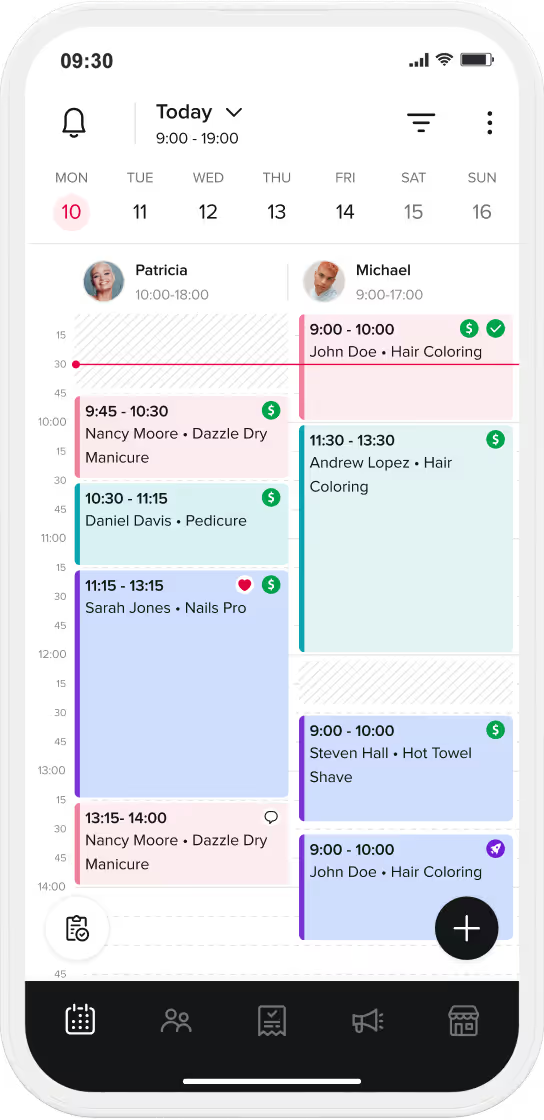
Manual stock counts cause unexpected supply shortages during busy service hours. Integrating barbershop management software inside Booksy Biz automates inventory control by linking product usage directly to completed services and point-of-sale (POS) retail transactions.
Automated stock monitoring tracks backbar supplies (beard oils, lather creams, neck strips) and retail items in real time. Setting custom low-stock thresholds triggers automatic reorder alerts, ensuring stations remain fully stocked with essential barber shop supplies without holding excess tied-up capital.
Equipping high-end hydraulic stations delivers a return on investment only when chairs remain consistently booked. Booksy's 24/7 online booking system allows clients to reserve appointments through Google Search, Instagram, and Facebook profiles, reducing missed phone calls and administrative downtime.
Automated SMS appointment reminders, deposit protection against late cancellations, and built-in client loyalty programs maximize calendar occupancy, helping new shop owners recover equipment investments rapidly.
A standard barber shop equipment list includes heavy-duty hydraulic chairs, styling stations with mirrors, professional bulk clippers, detail trimmers, Japanese steel shears, straight razors, EPA-registered disinfectants (Barbicide), immersion jars, sharps containers, and a POS reception counter.
The total cost to equip a barbershop ranges from $5,000 for a basic single-chair studio setup to over $50,000 for a multi-station luxury establishment, with individual hydraulic chairs costing between $1,200 and $3,500 each.
Essential tools for beginning barbers include 1 adjustable bulk clipper, 1 zero-gapped detail T-trimmer, 1 pair of 6.5-inch cutting shears, 1 thinning shear, a straight razor with disposable blades, carbon styling combs, a neck duster, and blade disinfectant spray.
Sanitation equipment is essential because it kills bloodborne pathogens, bacteria, and fungi on non-porous tools between clients, ensuring full compliance with state cosmetology board health codes and protecting clients from skin infections.
Barbers spray a mixture of pure water and leave-in conditioner to dampen cuticles for scissor tension, or astringent witch hazel to cool the scalp and reduce skin inflammation during razor line-ups and hot towel shaves.