In the fast-paced world of beauty and wellness, your income is often limited by the hours you spend behind the chair. But what happens when you want to scale your business beyond physical appointments? Forward-thinking professionals are no longer just selling services; they are selling their expertise.
By transitioning from a service provider to an educator, you can build authority, reach a global audience, and create passive income streams that work even when you aren't in the salon. One creative nail stylist, Alexandra Nanette, proved just how powerful this shift can be. By hosting a single online session, she turned her daily social media habits into a profitable educational event that reached learners across the country.
Whether you're looking to protect your business against slow seasons or simply want to "boss up" your brand, learning to teach online is the ultimate power move for modern beauty pros.
Alexandra Nanette, the owner of Nails By Nanette in Orlando, Florida, is a prime example of a professional who refused to let her growth be capped by the four walls of her salon suite. At 25, she had already earned features in Nail Pro Magazine and established herself as a Booksy Ambassador and influencer with over 32,000 followers.
Alexandra realized that the passion she poured into intricate nail shaping and flawless designs was something others were desperate to learn. Instead of keeping her "secret sauce" to herself, she decided to bring her creativity into a virtual classroom.
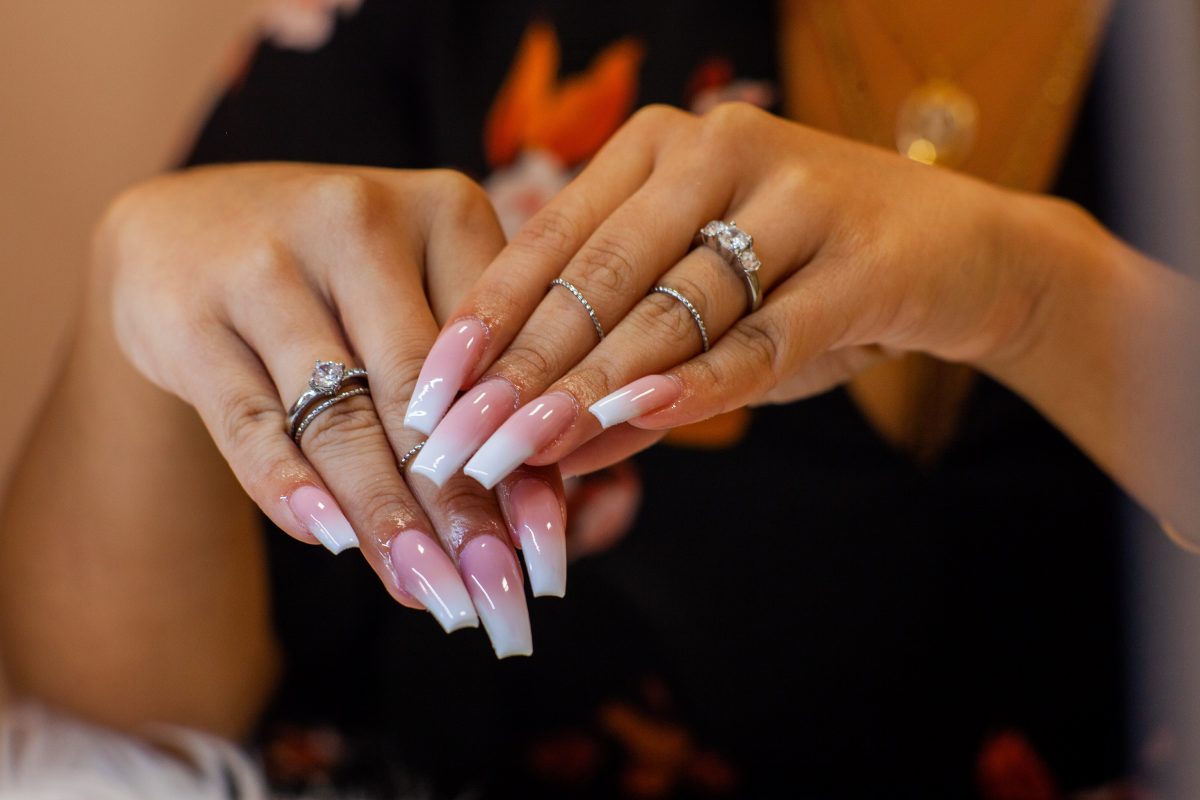
Teaching isn't just about the extra paycheck; it’s about brand authority. When you teach, you stop being just another stylist and start being an industry leader. For Alexandra, this meant transitioning from a technician to a mentor. In today's digital economy, being an educator makes you "recession-proof" and builds a level of trust with your clients that a simple portfolio cannot achieve.
You don’t need to reinvent the wheel to create a successful course. Alexandra found her niche by listening to the questions she received most often at trade shows and on Instagram. People didn’t just want to know how she did nails; they wanted to know how she grew her business.
Alexandra’s first virtual session was a masterclass in efficiency. She managed to attract 75 registered participants for a live Zoom session, proving that you don't need a high-end production budget to see a high-end return. Her course, “The Tools I’ve Used to Keep My Business Successful,” focused on social media marketing—a topic she had already mastered through her own brand growth.
One of the smartest moves Alexandra made was her pricing strategy. To ensure her first class was a success, she charged a $5 registration fee.
Alexandra didn't spend a dime on traditional advertising. Instead, she used her existing "digital storefront"—Instagram. She spent two weeks consistently advertising the class through:
By the end of her 75-minute Zoom call, Alexandra had generated approximately $375 in profit. When you calculate the hourly rate, that is far higher than the average service behind the chair, and she did it without the physical overhead of a salon day. More importantly, she proved that her industry experience was a product in itself. She turned her "after-work" knowledge into a "during-work" income stream.
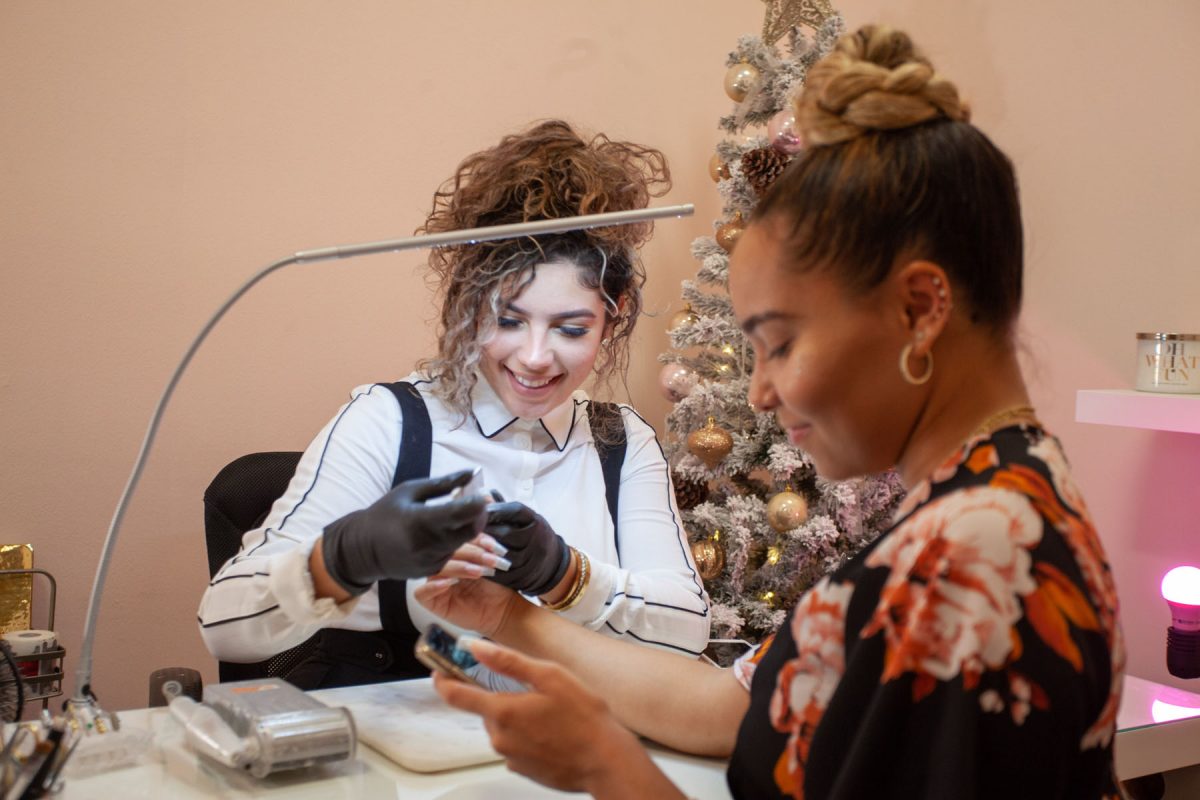
Launching your first class doesn't require a Hollywood production crew. Alexandra’s success came from careful planning and using accessible tools. Here is the blueprint to move from the salon floor to the digital stage.
The most successful courses solve a specific problem. Instead of trying to teach "everything about hair," focus on a niche.
You likely already own most of the equipment you need. Alexandra used Zoom because of its screen-sharing capabilities, which allowed her to show a PowerPoint presentation while her students followed along.
Teaching online allows for a unique financial model. While a physical service has high overhead (products, rent, utilities), a virtual class has almost zero marginal cost per student.
Transitioning to a virtual environment can be nerve-wracking. Alexandra admits that the technology was the most stressful part of her first session. Here is how to ensure your class goes off without a hitch.
Your students are paying for your expertise, and they need to see and hear it clearly.
Teaching is a performance. Keep your energy high and your tone warm.
Don’t let your first class be your last. Use the momentum to plan your next "level up." Alexandra immediately began planning her next course on advanced nail shaping and acrylic application.
Relying solely on your hands to generate income is a noble craft, but it has its limits. As Alexandra Nanette demonstrated, the path to true business freedom lies in leveraging your knowledge. By embracing online education, you aren't just making extra money; you are building an asset that belongs to you. You are creating a brand that exists beyond the chair and a legacy that helps other professionals grow. Whether it’s a $5 introductory webinar or a $500 advanced masterclass, the journey starts with a single decision to share what you know.
Are you ready to stop trading hours for dollars? Start planning your first virtual class today and discover just how far your expertise can take you.
No, you don’t need a degree in education. In the beauty and wellness industry, your "degree" is your portfolio and your industry experience. As long as you can clearly demonstrate a skill or share a business strategy that works, you are qualified to teach it. Start by answering the most common questions your peers already ask you.
For your very first class, consider a "low barrier to entry" price point between $5 and $20. As Alexandra Nanette demonstrated, this helps build trust and allows you to attract a larger volume of students. Once you have established your reputation as an educator and gathered positive reviews, you can scale up to premium prices ($50–$200+) for specialized technical training.
Zoom is currently the industry standard because of its stability, screen-sharing features, and ease of use for participants. Other great options include Google Meet for smaller groups or Instagram Live (using a private account) for a more casual, mobile-friendly approach.
You don’t need an expensive camera. A modern smartphone with a clean lens is sufficient. However, you should invest in a sturdy tripod with a flexible arm (for overhead "POV" shots) and a ring light to ensure your work is clearly visible without harsh shadows.
While you can’t prevent everything, using a password-protected meeting (like Zoom) or a dedicated course hosting platform helps. Most importantly, remember that your live interaction and Q&A are the real products—people pay for the ability to ask you questions in real-time, which can't be pirated.
Consistency is key. Use the two weeks leading up to your class to "tease" the content on social media. Share a "sneak peek" of your PowerPoint or a 30-second clip of the technique you’ll be teaching. Always include a direct booking link in your Instagram Bio to make the registration process as seamless as possible.