In the hair and beauty industry, time is literally money. A barber or stylist who saunters in 25 minutes late doesn't just miss a clock-in; they trigger a domino effect that disrupts your entire booking system, frustrates waiting clients, and stresses out the rest of the team.
If you’re struggling with a team member who is chronically late, don’t fire them on the spot just yet. As part of a robust barbershop staffing and talent management strategy, you need a professional approach to handling tardiness while protecting your salon’s culture.
Before the frustration boils over, have an honest conversation. Is the lateness a one-time emergency or a recurring pattern?
When deciding how to handle a late employee, ask yourself: Are they good at what they do? If they are a high-revenue earner with a loyal chair following, losing them might hurt your business more than their lateness does. However, favoritism can poison your salon culture. Be firm but fair—let them know their talent is valued, but their tardiness is an operational bottleneck that must be fixed.
In a one-to-one service environment, the client is the one who pays the price for an employee's lateness.
If an employee’s lateness is consistently hurting your bottom line and they show no effort to improve after multiple warnings, they may lack the professional care required for your shop's success.
Effective talent management isn't just about hiring; it's about knowing when a team member is no longer a fit for the high standards of your brand.
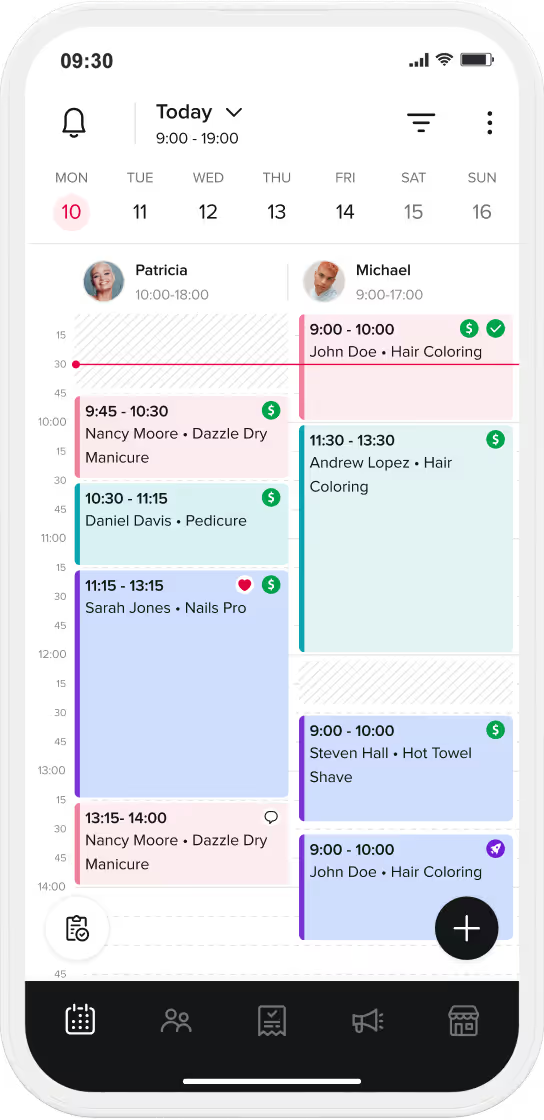
Most modern salon management systems have "check-in" features or digital logs that show exactly when a stylist begins their first appointment versus their scheduled start time.
Labor laws vary by state (especially in the US), so be careful. It is usually better to use a tiered disciplinary system (verbal warning, written warning, etc.) rather than financial penalties.
Build a culture of accountability. When the team understands that one person's lateness forces everyone else to work harder to cover for them, social pressure often fixes the issue faster than management ever could.