In the salon, spa, barbershop, or nail business world, handling rude, angry, or even aggressive clients is an unavoidable challenge. Whether it’s frustration over long wait times, dissatisfaction with a service, or unrealistic expectations, knowing how to respond to rude customers effectively can make all the difference in preserving your business’s reputation, your team’s morale, and your sanity.
In this guide, we’ll cover practical strategies to calm difficult clients, resolve their concerns, and ensure your team is prepared for the future. You’ll also learn how to identify when it’s time to part ways with a client who continuously disrupts your business.
TL;DR: Quick Summary on Dealing with Rude Clients
- The Goal: Handling rude or angry clients professionally preserves business reputation, maintains team morale, and can turn challenges into opportunities to build trust.
- Step 1: De-escalate: Immediately Stay Calm (avoid arguing), Acknowledge Their Frustration (show empathy), and offer a Sincere Apology ("I’m sorry this has been your experience") without assigning blame.
- Step 2: Resolve: Understand the Root of the Problem by asking clarifying questions (e.g., "What specifically didn’t meet your expectations?"). Offer a Fair Solution (e.g., complimentary add-on or partial refund), but Set Boundaries against unreasonable demands.
- Step 3: Learn & Prepare: Debrief the incident with your team, Keep Notes on Difficult Clients (in tools like Booksy), and Train Your Team on de-escalation strategies and policies.
- Prevention: Proactively Set Clear Expectations (price, results), Communicate Effectively (reminders), and use an Online Booking System (Booksy) to minimize scheduling conflicts.
- Last Resort: If a client is consistently rude or aggressive, Fire the Client Professionally by being polite but firm, stating it's best to find a salon that is a better fit, and documenting the decision.
Step #1: Calm the Customer and De-escalate the Situation
Before diving into solutions, it’s essential to first calm the client and neutralize their negative emotions. A calm, measured response can help prevent the situation from escalating further.
1. Stay Calm and Composed
Angry or rude clients often lash out due to frustration. Reacting emotionally or defensively will only escalate the problem.
- What to do: Stay calm, keep your tone even, and maintain eye contact. Show the client that you’re actively listening and ready to help.
- What to avoid: Never match their anger or argue back. This will only make the situation worse.
2. Acknowledge Their Frustration
Sometimes, clients simply want to feel heard. Acknowledging their feelings shows empathy and demonstrates that you value their concerns.
- What to say: “I can see this situation has been upsetting for you. Let’s work together to find a solution.”
- What to avoid: Don’t dismiss their emotions by saying things like, “It’s not a big deal” or “You’re overreacting.”
3. Offer a Sincere Apology
Even if the issue isn’t your fault, a heartfelt apology can go a long way in diffusing tension.
- What to say: “I’m sorry that this has been your experience. Let’s see how we can make it right.”
- What to avoid: Avoid assigning blame to others or making excuses. Focus on addressing the client’s concerns.
Step #2: Address the Problem and Find a Solution
Once the client has calmed down, the next step is to address their concerns and work toward a resolution. This shows that you take their feedback seriously and are committed to resolving the issue.
1. Understand the Root of the Problem
Take the time to ask clarifying questions and listen carefully to the client’s concerns. Understanding the specifics will help you craft a tailored solution.
- Examples:some text
- If the client is upset about a service, ask: “What specifically didn’t meet your expectations?”
- If they’re frustrated about pricing, explain your salon’s pricing structure and how different services or products may impact costs.
2. Offer a Solution That Works for Both Parties
Once you understand the issue, offer a resolution that balances the client’s needs with your business’s capabilities.
- What to do:some text
- For long wait times: Apologize and offer a complimentary add-on service or a discount for their next visit.
- For dissatisfaction with a service: If possible, redo the service or offer a partial refund.
- For pricing misunderstandings: Provide a clear explanation and suggest a discount or future loyalty rewards.
- What to avoid: Don’t give in to unreasonable demands or overcompensate. Strive for a fair resolution that aligns with your business policies.
3. Set Boundaries if Needed
Some clients may push for excessive discounts or make unreasonable demands. It’s okay to stand your ground while remaining professional.
- What to say: “I understand your concerns, but this is what we’re able to offer as a resolution. Let me know if that works for you.”
Step #3: Reflect and Learn With Your Team
After the situation is resolved, it’s important to regroup with your team to ensure everyone is aligned and prepared for similar situations in the future.
1. Debrief the Incident
Discuss the situation with your team and identify any takeaways. Was there something that could have been done differently? Could the issue have been prevented?
- Questions to ask:some text
- Was the client given clear information about pricing, services, or wait times?
- Was there a communication breakdown during the appointment?
- How can we avoid similar situations moving forward?
2. Keep Notes on Difficult Clients
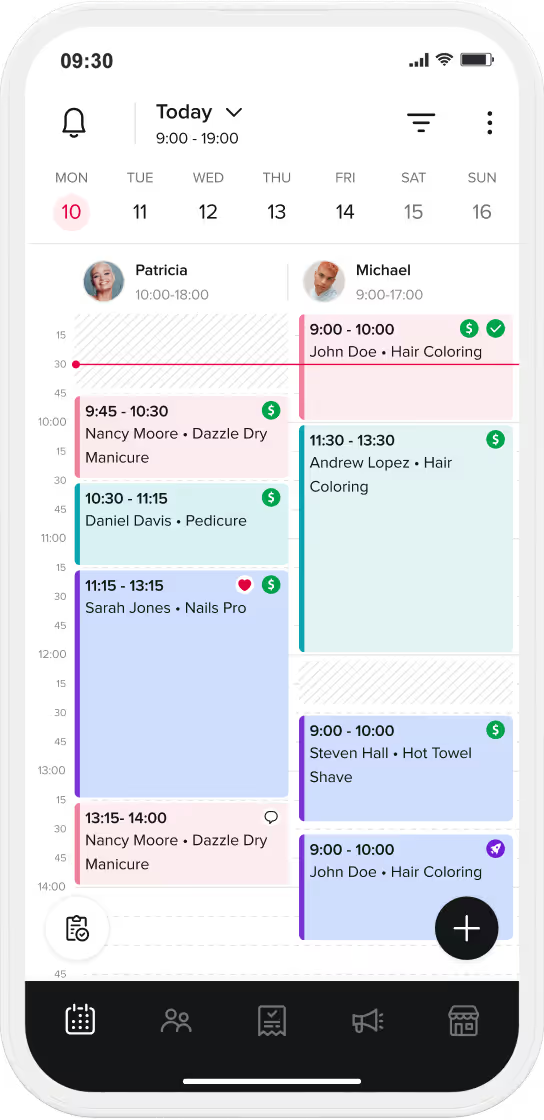
If the client was particularly rude, aggressive, or consistently dissatisfied, make a note of it in your client database. Tools like Booksy allow you to save notes on client behavior, so your team is better prepared for future interactions.
3. Train Your Team for Future Interactions
Provide your team with tools and strategies for handling rude or angry customers professionally. Consider creating a written policy that outlines steps for de-escalating conflicts, resolving complaints, and documenting incidents.
Step #4: When It’s Time to Fire a Client
While most situations can be resolved, there are times when it’s in your best interest to let a client go. If a customer is consistently rude, disrespectful, or aggressive, it may be time to part ways.
How to Fire a Client Professionally
- Be Honest but Polite:some text
- What to say: “We value your business, but it seems we’re unable to meet your expectations. It may be best for you to find a salon that’s a better fit for your needs.”
- Stay Calm:some text
- Avoid arguing or pointing fingers. Keep the conversation professional and to the point.
- Document the Decision:some text
- Keep records of why you decided to end the client relationship in case of future disputes.
While letting a client go is never easy, protecting your team’s well-being and maintaining a positive salon environment is essential for long-term success.
Proactive Tips to Prevent Rude or Angry Clients
Although some situations are unavoidable, implementing these strategies can help reduce the likelihood of negative interactions:
- Set Clear Expectations:some text
- Use consultations to explain services, pricing, and expected results.
- Communicate Effectively:some text
- Send appointment reminders and follow-up messages to keep clients informed and avoid misunderstandings.
- Use an Online Booking System:some text
- Tools like Booksy allow clients to book, reschedule, and cancel appointments easily, minimizing scheduling conflicts.
- Provide Staff Training:some text
- Equip your team with the skills and confidence to handle difficult situations professionally.
How to Respond to Rude Customers: Turn Challenges Into Opportunities
Dealing with rude, angry, or aggressive clients is part of running a salon, spa, barbershop, or nail business. However, these situations don’t have to result in lost clients or a negative reputation. By staying calm, responding professionally, and supporting your team, you can turn even the most challenging interactions into opportunities to build trust and loyalty.
And remember, tools like Booksy can help you stay organized, track client behavior, and improve communication to prevent misunderstandings. Try Booksy for free today and see how it can help you manage client interactions with ease!
Professional Client Conflict Management: De-escalation and Resolution Steps
| Step / Strategy |
Action: What to DO (The Professional Response) |
What to AVOID (Mistakes) |
| 1. De-escalation & Calming |
Stay calm, maintain an even tone, and acknowledge their frustration (e.g., "I can see this has been upsetting for you."). |
Reacting emotionally, arguing back, matching their anger, or dismissing their feelings (e.g., "You’re overreacting"). |
| 2. Finding the Root Cause |
Offer a sincere apology (e.g., "I’m sorry that this has been your experience.") and ask clarifying questions to understand the specific issue. |
Making excuses, assigning blame to staff, or avoiding accountability for the situation. |
| 3. Resolution & Boundaries |
Offer a balanced solution (e.g., complimentary add-on, partial refund) and professionally set firm boundaries against unreasonable demands. |
Giving in to excessive demands or overcompensating, which violates business policies. |
| 4. Team Learning & Prevention |
Debrief the incident, train staff on de-escalation, and keep notes on rude clients using tools like Booksy. |
Forgetting to document the incident or failing to update policies to prevent future issues. |
| 5. Firing a Client (If Needed) |
Be honest and polite, stating the salon is not a "better fit" for their needs, and document the decision. |
Arguing, pointing fingers, or engaging in a defensive conversation. |
Frequently Asked Questions (FAQ)
What is the most critical first step when a client becomes angry or rude?
The most critical first step is to Stay Calm and Composed. Avoid reacting emotionally or arguing back, as this will only escalate the situation.
If a problem isn't the salon's fault, should the manager still apologize?
Yes. A sincere apology can go a long way in diffusing tension, even if the issue is not directly your fault. The apology should focus on acknowledging their experience without assigning blame.
What is the best way to handle a client who is upset about a long wait time?
Apologize for the wait time and offer a solution that works for both parties, such as a complimentary add-on service or a discount for their next visit.
How can a salon owner proactively prevent misunderstandings about pricing or services?
Salon owners can prevent misunderstandings by setting clear expectations during consultations, explaining services and pricing, and communicating effectively (e.g., sending appointment reminders).
Why is it important to keep notes on difficult clients using client management software like Booksy?
Keeping notes on difficult clients allows your team to be better prepared for future interactions and ensures everyone is aware of the client's past behavior.
When is it time to "fire" a client, and how should it be communicated?
It is time to let a client go if they are consistently rude, disrespectful, or aggressive. It should be communicated politely but firmly, stating that the salon is unable to meet their expectations and they should find a better fit.