How to Be a Good Salon Manager: Beauty Salon Management Best Practices
by
Marie Kelchlin
7
minutes read
August 26, 2026
Table of Content
The hair and beauty industry thrives on talent, creativity, and the ability to make clients feel magnificent. However, behind every successful UK salon, nail salon, or spa is a skilled salon manager, the everyday hero who orchestrates the team, keeps operations running smoothly, and drives the business forward.
Being an effective salon manager goes far beyond simply building a rota or taking appointments; it requires a fine balance of team leadership, organizational skills, and financial oversight. This comprehensive guide outlines the essential best practices that will empower you to excel in beauty salon management, support your staff, and lead your business to new heights.
1. Why Effective Salon Management Matters to Your Profitability
Managing a salon business with clarity and confidence transforms daily operations and yields substantial returns. Here is why mastering salon manager skills is essential for long-term growth:
Protecting Salon Financial Stability: Clear leadership and financial oversight help control stock waste, manage staff costs, and boost overall turnover.
Improving Staff Retention: Stylists and therapists who feel supported and valued are far less likely to leave, saving your business thousands of pounds in recruitment costs.
Elevating the Client Experience: Consistent service standards encourage repeat visits and inspire glowing word-of-mouth recommendations.
Reducing Owner Stress: Implementing a structured salon system shifts the daily focus from constant firefighting to strategic business growth.
2. The Core Foundations: What Does a Salon Manager Do?
To understand how to manage a salon business effectively, it helps to break salon manager duties down into four operational pillars:
Team Leadership and Culture: Fostering a supportive, collaborative environment where staff feel motivated to perform at their very best.
Client Experience Management: Defining elevated service standards, handling client feedback gracefully, and creating a welcoming salon atmosphere.
Daily Operations: Overseeing smooth appointment flow, managing stock levels, and ensuring full compliance with health and safety standards.
Financial Oversight: Monitoring key performance indicators, tracking budget targets, and identifying opportunities to boost overall salon profitability.
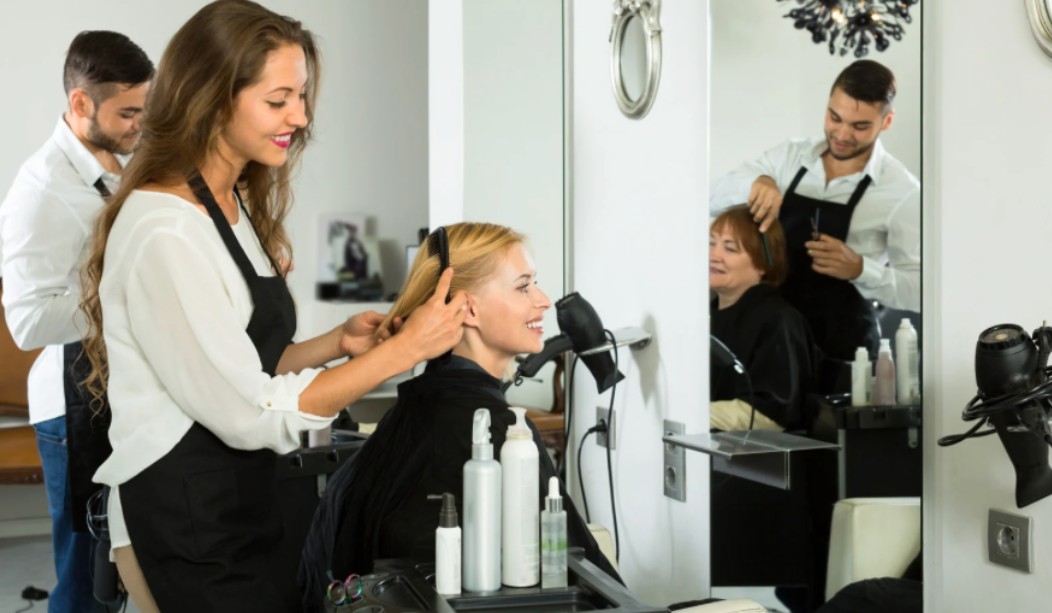
Source: Canva pro
3. Tactical Strategies for Everyday Salon Management Excellence
Mastering Team Leadership
A salon is only as strong as its team. When considering best practices for managing a salon team, you might find it helpful to implement the following approaches:
Maintain Open Communication: Clear, consistent dialogue helps set the tone. Share salon goals and policies openly, and practice active listening to understand team concerns and ideas.
Set Clear Expectations: Outline job roles, performance targets, and service protocols during onboarding so every team member understands what success looks like.
Provide Constructive Feedback: Offer regular, balanced feedback that praises achievements and provides gentle guidance on areas for growth.
Fit the Role to the Person: Adapt responsibilities to suit individual strengths. For instance, a highly creative stylist who prefers avoiding admin might excel at leading social media creative direction, while a detail-oriented team member assists with stock audits.
Resolve Issues Fairly: Handle workplace disagreements promptly and impartially by listening to all sides to maintain team harmony.
Ensuring Exceptional Client Experience
Exceeding client expectations is essential for building long-term loyalty. Consider these key steps:
Establish Service Protocols: Define exact standards for greetings, consultations, treatments, and checkouts to guarantee high quality across every station.
Train Staff in Client Relations: Teach your team how to listen attentively, handle complaints with grace, and offer bespoke care. During consultations, stylists can practice effective rebooking scripts: "To maintain this brilliant blow dry and keep your hair healthy, I should ideally see you in six weeks for a toner and treatment. Let's secure that spot at the till before you leave today."
Actively Gather Feedback: Use digital reviews or comment cards to learn what is working and where minor adjustments can be made.
Maintain a Welcoming Ambiance: Keep waiting areas immaculately clean, comfortable, and beautifully presented.
Streamlining Daily Salon Operations
Smooth day-to-day running minimizes waste and keeps staff productive. You can optimize your operational workflow by focusing on the following areas:
Utilize Daily Management Checklists: Ensure essential tasks are completed consistently by following a structured daily schedule:
Shift Phase
Key Operational Tasks
Morning Opening
Review daily appointment notes, inspect reception cleanliness, and ensure styling stations are fully stocked with products.
Mid-Day Review
Check appointment flow, brief the team on bespoke client treatments, and address any client or staff queries.
Evening Closing
Reconcile the cash drawer, check retail stock levels, and ensure all equipment is cleaned and switched off safely.
Manage Stock and Ordering Efficiently: Implement systems to monitor product usage. This prevents tying up cash flow in excess items or running out of essential retail stock.
Prioritise Health and Safety: Maintain strict compliance with local UK authority health, hygiene, and chemical waste disposal regulations. Ensure routine maintenance is scheduled for electrical tools, backwash basins, and salon furniture.
Strengthening Financial Literacy
A financially savvy salon manager understands that operational decisions directly impact profitability.
Budgeting and Expense Control: Keep a close eye on operational costs, overheads, and stock spending to ensure you remain within budget.
Monitoring Sales Performance: Track service turnover, retail sales, and average spend per client to identify opportunities for growth.
Strategic Pricing and Promotions: Design seasonal offers and service packages that attract bookings while protecting your profit margins.
4. Executing Strategy and Tracking Performance
To measure the effectiveness of your salon management strategies, it is highly advisable to monitor specific performance metrics:
Client Retention Rate: Track how many clients return for repeat visits to gauge overall satisfaction.
Retail-to-Service Ratio: Monitor product sales alongside service turnover. A healthy standard in UK salons is seeing retail account for 10 to 15 per cent of overall turnover.
On-Spot Rebooking Rate: Track how many clients secure their next visit at the till before leaving the salon.
Staff Productivity: Assess individual diary utilization to optimize rota scheduling and manage labor costs effectively.
5. The Hassle-Free Solution: How Booksy Empowers Salon Managers
Managing a busy salon does not have to mean endless hours of manual paperwork. Booksy acts as an invisible, hassle-free engine that simplifies everyday administrative tasks, allowing you to focus on leading your team and growing your business.
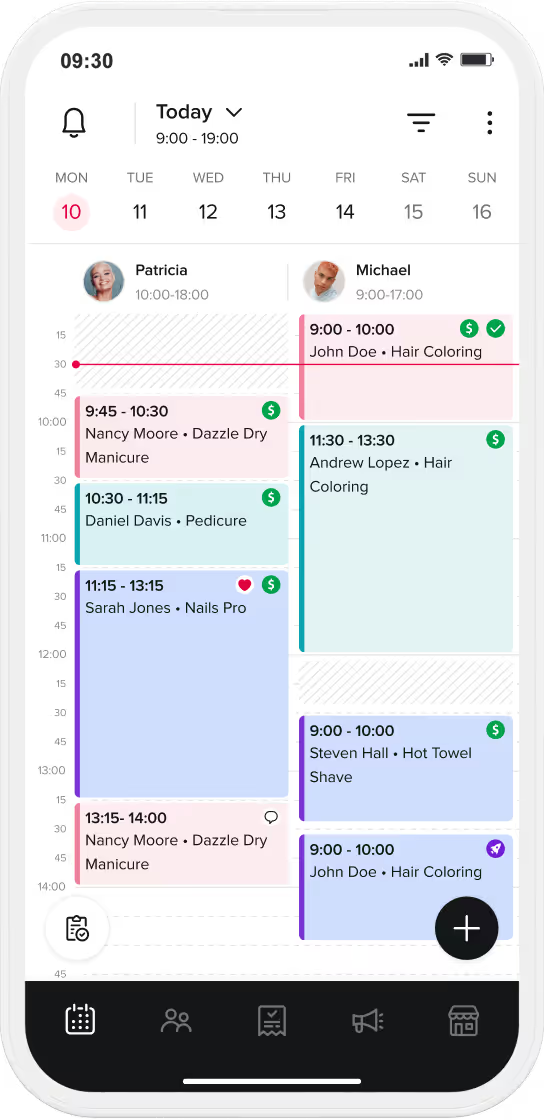
Automate Scheduling and Bookings: Enable 24/7 hassle-free online booking via client mobile phones and social media pages, keeping your diary filled without constant phone calls.
Simplify Stock Control: Track product usage automatically, receive low-stock alerts, and streamline reordering so your retail shelves are always ready.
Track Team Performance: Access clear reports on staff productivity, retail sales, and rebooking rates directly from your tablet or mobile phone without using manual spreadsheets.
Enhance Client Communication: Send automated appointment reminders, birthday greetings, and review requests to strengthen client relationships and reduce no-shows.
Next Steps for Your Salon
Excelling as a salon manager is an ongoing journey of supporting your staff, delighting your clients, and driving business growth. By setting clear service protocols, recognising the individual strengths of your team, and automating routine administrative tasks, you can build a thriving, highly profitable business.
What are the main responsibilities of a successful salon manager?
A salon manager oversees the daily running of the business. Core salon manager duties include guiding the team, creating exceptional client experiences, supervising daily stock and workflows, tracking salon management best practices for financial stability, and ensuring strict adherence to health and safety regulations.
How can a salon manager motivate their staff effectively?
You might find it helpful to set clear expectations from onboarding, offer regular constructive feedback, celebrate individual milestones, and cultivate a supportive, appreciative work environment where every team member feels empowered.
How does using salon software help a manager streamline operations?
Beauty salon management becomes significantly easier with dedicated software like Booksy. It provides a hassle-free engine that automates 24/7 online booking, sends automated appointment reminders, tracks stock usage, and generates performance reports, saving hours of manual admin time.
What are some essential performance metrics a salon manager should monitor?
To track your salon's profitability, it is highly advisable to monitor client retention rates, average spend per client, retail-to-service turnover ratios, and individual staff productivity.
Why is active listening important for a salon manager?
Active listening builds genuine trust across your team. When you take time to truly hear staff ideas, feedback, and operational concerns, you can resolve workplace issues fairly and maintain high team morale.






.png)