A salon receptionist is the operational coordinator responsible for front-desk client intake, appointment schedule optimization, payment processing, phone inquiry resolution, and retail cross-selling within beauty, hair, nail, and spa establishments.
Client-facing reception duties center on delivering structured customer service while maximizing appointment efficiency and front-desk transaction speeds.
Managing the front desk requires greeting clients within 10 to 15 seconds of arrival. Receptionists verify appointment details, notify assigned stylists or technicians, and manage waiting area comfort. Keeping the reception desk organized and offering beverages maintains a professional environment, reducing perceived wait times when service delays occur.
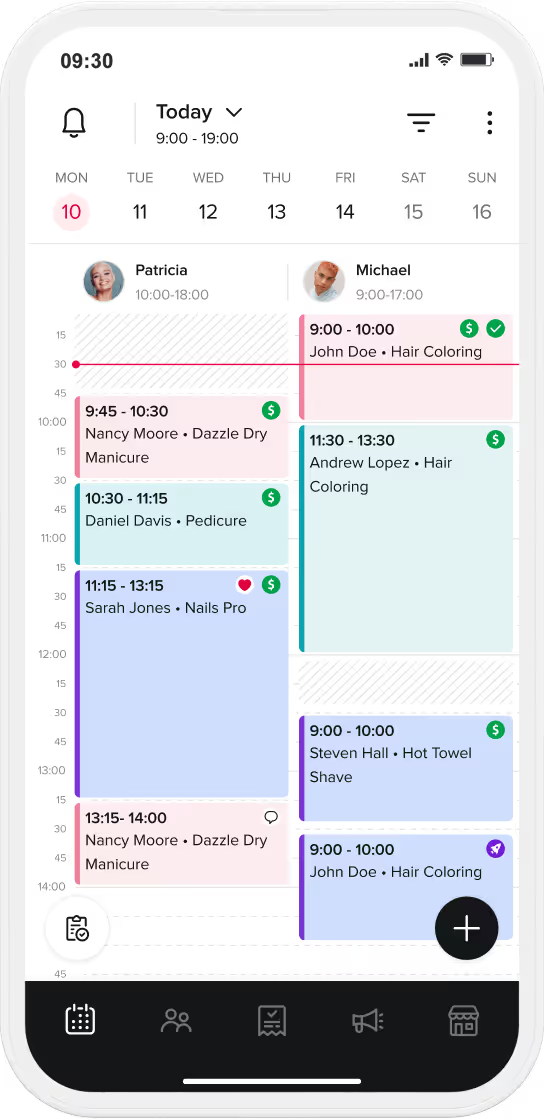
Maintaining an active salon calendar requires balancing phone inquiries, walk-ins, and online rebooking requests. Receptionists schedule appointments based on precise service durations (e.g., separating 45-minute haircuts from 120-minute balayage processing times). Proper schedule alignment prevents double bookings and minimizes unproductive station downtime.
Operational front-desk management mandates balancing daily register transactions, maintaining retail product inventory control, and coordinating internal team communications.
Handling checkout transactions requires balancing point-of-sale registers at opening and closing shifts. Receptionists reconcile cash drawers against digital daily sales reports, allocating tip distributions to individual service providers. Maintaining strict petty cash logs for daily emergency salon purchases prevents financial discrepancies during monthly accounting audits.
Front-desk operations include monitoring retail shelf presentation and backbar product supply levels. Receptionists conduct 30-day physical inventory counts, logging incoming shipments into salon management databases and identifying low-stock SKUs before shortages affect service delivery. Maintaining organized retail displays directly encourages impulse product purchases during client checkout.
Acting as the central communication hub, the receptionist keeps floor technicians and stylists informed of client arrival statuses. When hair color processing or complex nail art sessions exceed estimated time blocks, the receptionist manages schedule adjustments, notifying waiting clients and offering refreshments to maintain a calm atmosphere.
Mastering digital front-desk tools requires evaluating platform features. Review industry scheduling standards in our detailed evaluation of the best salon software.
Specialized beauty environments mandate unique front-desk operational workflows based on service complexity, booking rotation speeds, and client turnover rates.
Hair salon receptionists coordinate variable multi-stage technical appointments. Managing color processing delays requires scheduling cut and blow-dry appointments during processing gap times. Understanding technical service durations prevents overlapping appointments and keeps stylists operating on schedule.
Resolving unexpected scheduling bottlenecks maintains smooth floor operations. Learn effective strategies for managing overlapping calendar requests in our guide on how to handle double booking.
Nail salon receptionists manage rapid client turnover and walk-in queues. Coordinating manicure and pedicure stations requires tracking drying station times and technician availability. Maintaining clear station rotation schedules optimizes seat utilization during peak weekend traffic hours.
Spa receptionists focus on client relaxation, confidential health intake collection, and multi-service package coordination. Verifying digital intake forms for allergies or medical contraindications prior to massage or facial sessions ensures client safety and regulatory compliance. Managing quiet waiting lounges maintains the serene environment expected in wellness facilities.
Evaluating receptionist performance requires tracking measurable operational metrics that directly influence salon profitability.
The checkout interaction represents the primary opportunity to secure recurring revenue. Receptionists who actively offer rebooking options before clients leave the desk maintain high salon retention rates, filling stylist calendars 4 to 6 weeks in advance.
Receptionists boost retail product sales by reinforcing stylist product recommendations during payment processing. Reviewing client service notes at checkout enables receptionists to suggest complementary homecare products, increasing average transaction values.
Maximizing front-desk efficiency requires integrating digital salon management software to handle repetitive scheduling, process secure payments, and eliminate phone traffic during peak operational hours.
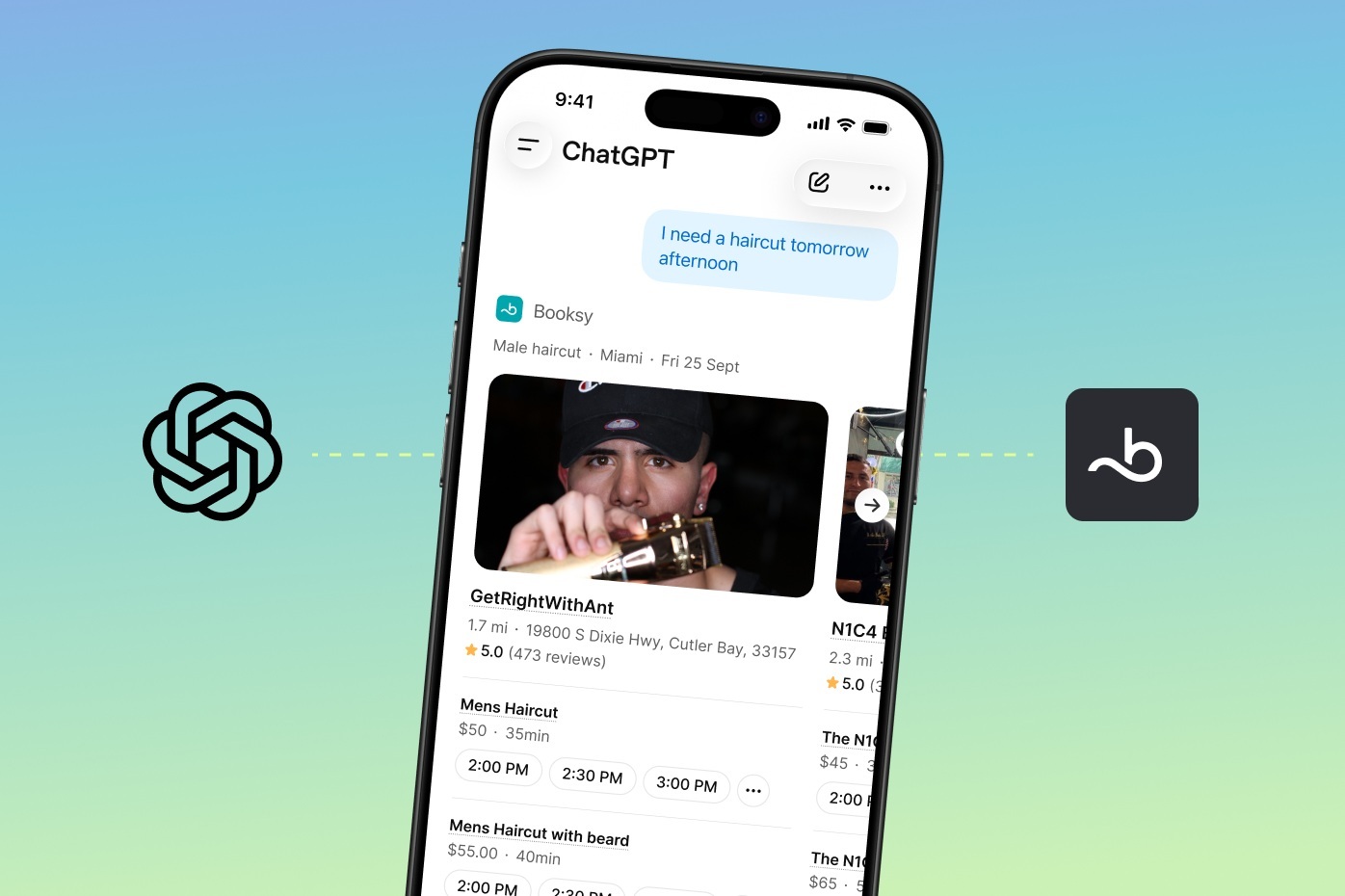
Manual phone booking consumes up to 30% of a receptionist's daily shift, interrupting face-to-face client intake and retail consultation. Utilizing salon scheduling software like Booksy Biz enables clients to self-schedule appointments 24/7 directly from Google Maps, Instagram, and Facebook.
Automating routine calendar reservations allows the receptionist to focus on in-person hospitality, inventory reconciliation, and active retail upselling.
Appointment no-shows directly degrade salon profitability and stylist commission earnings. Implementing Booksy Biz empowers front-desk staff to enforce automated payment collection protocols.
Requiring mandatory booking deposits (20% to 50%) and sending automated SMS reminders 24 hours prior to service reduces no-shows below 2%, securing baseline daily revenue without manual receptionist follow-up calls.
The primary duties of a salon receptionist include greeting arriving clients, managing digital appointment schedules, answering phone and online inquiries, processing POS transactions, and maintaining reception area cleanliness.
A hair salon receptionist focuses on coordinating complex technical processing times and managing high-volume stylist rotations, whereas a spa receptionist prioritizes maintaining a tranquil atmosphere, managing digital health intake forms, and coordinating multi-service relaxation packages.
A receptionist increases salon revenue by actively rebooking clients during checkout payment processing, recommending prescribed retail homecare products, and enforcing deposit policies to reduce appointment no-shows.
A salon receptionist requires proficiency in cloud-based scheduling platforms like Booksy Biz, point-of-sale (POS) card processing terminals, inventory databases, and basic digital communication tools.
Online booking software assists the front desk by capturing appointment reservations 24/7, automating client SMS reminders, processing pre-service deposits, and maintaining up-to-date client history records automatically.