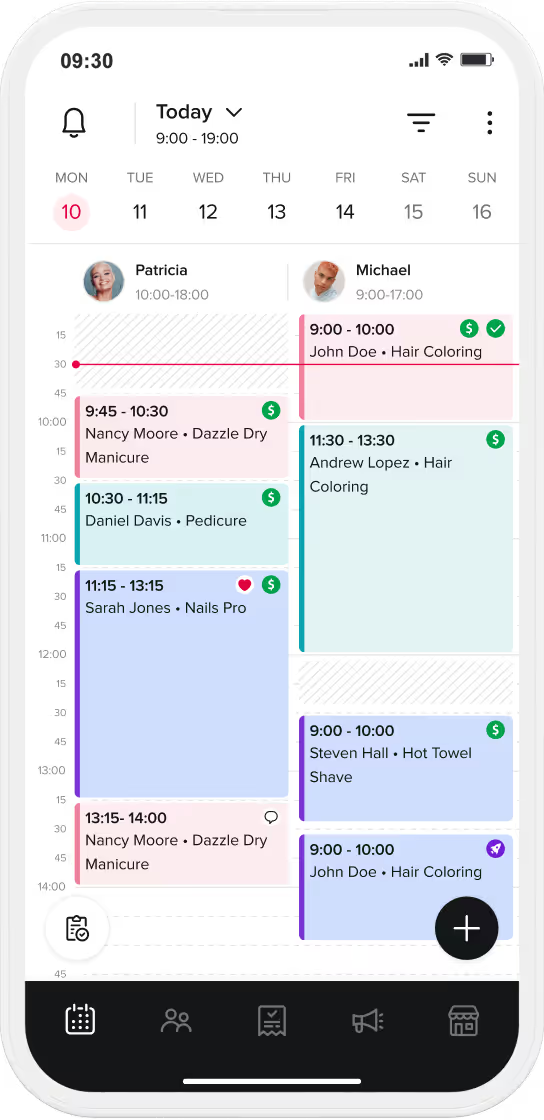
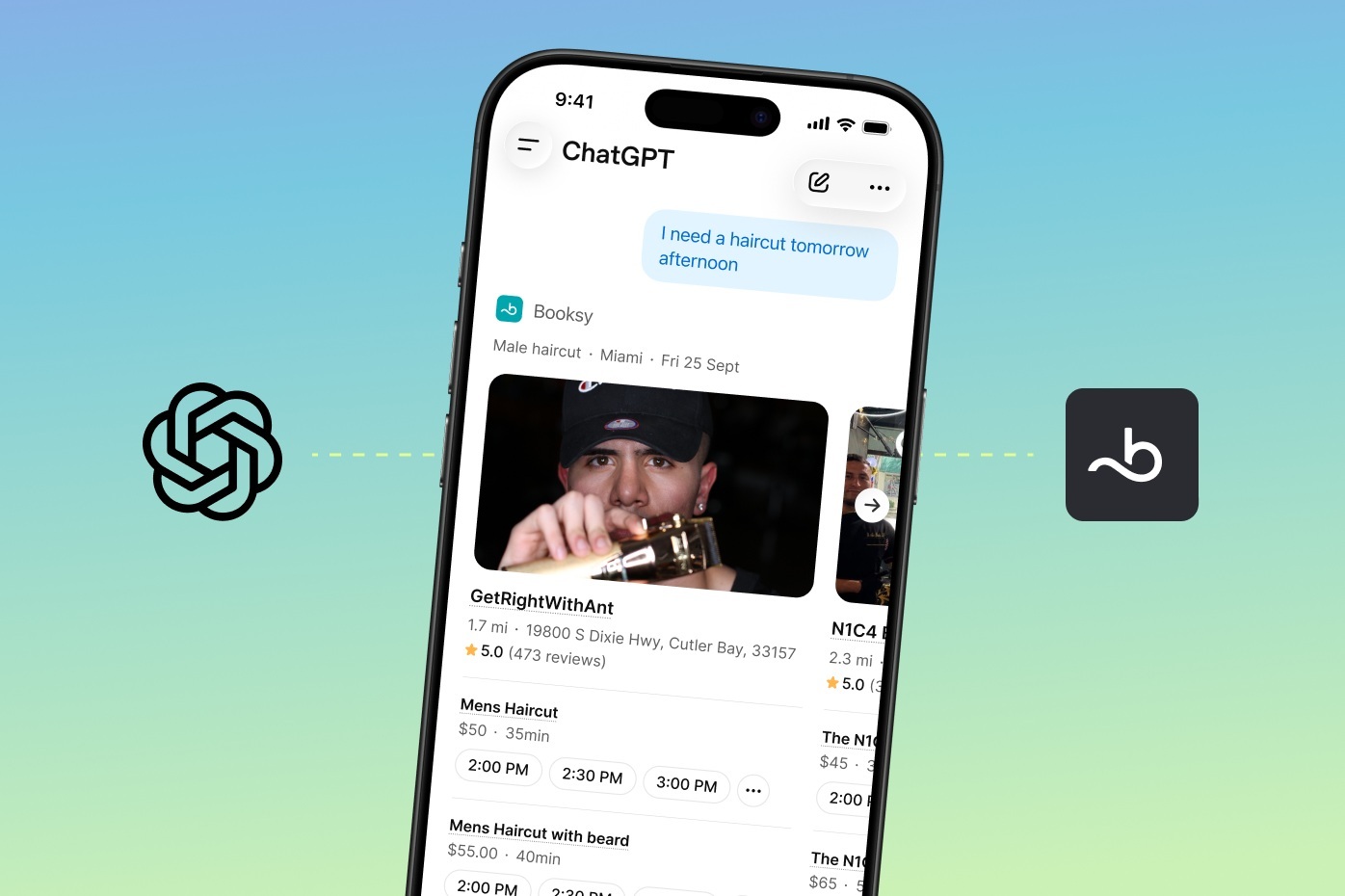
Implementing a compliant salon booth rental framework requires a clear operational separation between property leasing infrastructure and employment workflows. Within the commercial beauty and wellness sectors, executing a structured booth rental salon model establishes a strictly business-to-business (B2B) environment separating independent 1099 contractors from W2 statutory employees. Failure to enforce distinct operational boundaries regarding service pricing, calendar scheduling, and asset allocation risks severe IRS worker misclassification penalties. This regulatory evaluation analyzes salon owner responsibilities to booth renters, statutory contract parameters, and the legal limits of lease termination protocols required to maintain absolute operational compliance.
Salon booth rental defines a commercial property leasing framework wherein licensed practitioners secure dedicated square footage within an established facility to operate autonomous business entities. Unlike statutory personnel, these operators function as independent contractors maintaining total structural detachment from the host facility ledger.
This setup is popular because it allows flexibility for both parties:
Executing booth rental contracts mandates strict adherence to commercial landlord statutory requirements. While practitioners operate completely separate financial infrastructures, facility owners must continuously fulfill baseline structural obligations to preserve the validity of the business lease:
The salon owner must ensure the booth rental space is functional and meets the standards required by local laws and cosmetology boards. This includes:
A written agreement is crucial for both parties. The agreement should outline:
This document helps set expectations and protects both the salon owner and the booth renter legally.
Salon owners need to remember that booth renters are not employees. Salon owners cannot dictate how booth renters perform their services, what prices they charge, or how they schedule their clients. Overstepping these boundaries can lead to legal issues, including misclassification of contractors as employees.
Booth renters operate as independent contractors, meaning they are essentially running their businesses. This comes with freedom but also significant responsibilities. So, what responsibilities does a booth renter assume? Let’s break it down:
One of the primary responsibilities of a booth renter is to pay their rent as outlined in their agreement. Late payments or nonpayment can result in lease termination.
Booth renters are responsible for staying compliant with local laws and regulations, which typically include:
Unlike employees, booth renters are responsible for bringing their equipment, tools, and products. This includes everything from styling tools to skincare products and towels.
Booth renters operate independently, meaning they are responsible for:
Booth renters must keep their designated space clean and comply with salon rules about shared areas. Additionally, they are expected to act professionally to maintain a positive salon atmosphere.
A handshake isn't enough when it comes to independent contracting. To protect both the salon's reputation and the renter’s independence, every agreement should include these three essential clauses:
Clear rules help salon owners and booth renters work together harmoniously. Here are some common salon booth rental rules that ensure fairness and professionalism:
A common question is, "Can a salon owner fire a booth renter?" The answer is no - but with an important caveat.
A facility owner lacks the statutory mechanism to fire an independent contractor. Because the operational relationship is governed exclusively by commercial real estate parameters, separation requires formal lease termination protocols executed upon documented material breach of the written agreement. Standard compliance triggers for lease dissolution encompass:
Both parties must refer to the rental agreement in case of disputes or lease termination. This is why having a clear, written agreement is so important.
The relationship between salon owners and booth renters is built on mutual respect, clear communication, and well-defined roles. Salon owners must provide a safe and functional workspace while respecting the independence of their renters. Meanwhile, booth renters take on the responsibilities of running their own business, from managing clients to maintaining professionalism.
A clear rental agreement is the cornerstone of a successful arrangement, ensuring that both parties understand their rights and responsibilities. By following these guidelines and respecting salon booth rental rules, salon owners and booth renters can create a harmonious and successful working relationship.
The most critical operational failure is overstepping independent contractor boundaries by exercising behavioural control. Mandating specific shift hours, dictating service pricing metrics, or controlling service execution methods transforms the relationship into statutory employment, risking severe worker misclassification penalties.
Yes, because a booth renter operates as an autonomous business entity, they must secure independent local business registrations, active professional cosmetology licensing, and personal professional liability insurance coverage to protect their operations from structural liabilities.
Immediate lease termination depends entirely on the material breach clauses codified within the written commercial contract. Standard real estate frameworks require a formal notice execution window (typically 30 days) unless the contract permits rapid dissolution due to nonpayment or documented health department sanitation violations.
The independent booth renter bears 100% of the operational overhead for sourcing tools, technical backbar product lines, towels, and chemical supplies. The salon owner's financial obligation is strictly limited to providing functional workspace physical infrastructure and utilities.
Access privileges must be explicitly defined within the written commercial lease contract. Because renters operate independent businesses, they maintain scheduling autonomy; however, execution remains bound by the structural facility operational limits or building insurance parameters specified in the lease.
Booth renting typically involves leasing an open station chair within a shared main floor ecosystem where common zones are managed by the landlord. Salon suite leasing grants the independent practitioner an enclosed, lockable individual studio room, offering higher spatial isolation and total environmental control.
No, a salon owner cannot fire a renter, as no employment relationship exists. If a renter violates documented facility standards or shared space etiquette explicitly integrated into the written lease agreement, the landlord may initiate formal lease termination protocols based on a breach of contract.
IRS misclassification auditing occurs when a salon owner controls an independent contractor's operational methods like a W2 employee. If found non-compliant, the salon owner faces retroactive liability for unpaid payroll taxes, unemployment insurance contributions, and severe statutory financial penalties.
No, independent contractors should utilize separate, autonomous salon management software and transaction processing hardware. Commingling financial booking databases or credit card transaction streams through the owner's central ledger compromises the renter's legal status as an independent entity.
A resilient commercial lease instrument must include a reciprocal written notice execution clause (typically 30 to 60 days). This structural buffer insulates the salon owner from sudden capitalization drops while granting the practitioner a compliant timeline to migrate their client database to a new facility.