Nail salon tool sterilization is a mandatory multi-step decontamination protocol involving physical debris cleaning, hospital-grade chemical disinfection, and high-pressure steam autoclaving designed to eliminate bacterial spores, fungi, and bloodborne pathogens from reusable metal implements in accordance with state board health codes.
Implementing strict nail salon sanitation standards protects salon owners from regulatory penalties while securing client trust in competitive local markets.
Nail care services involve close contact with cuticles, lateral nail folds, and hyponychium tissue. Non-sterilized cuticle nippers, pushers, and e-file carbide bits transmit fungal infections (onychomycosis), bacterial pathogens (Staphylococcus aureus, Pseudomonas aeruginosa), and viral warts (HPV). Strict tool isolation eliminates cross-contamination vectors between consecutive client visits.
State cosmetology boards conduct unannounced salon inspections to verify tool storage, chemical safety data sheets (SDS), and disinfectant immersion logs. Operating without EPA-registered disinfectants or re-using porous files results in immediate civil fines ranging from $250 to $2,500 per violation, accompanied by mandatory operational suspensions.
Modern consumers inspect hygiene practices prior to scheduling service appointments. Opening sealed sterilization pouches in front of clients demonstrates clinical cleanliness, increasing client retention rates and driving positive online reviews. For more insights on financial benchmarks, explore our report on how much nail techs make.
Decontaminating professional nail tools requires executing a linear 4-step sequence where chemical immersion and heat sterilization follow physical debris removal.
Mechanical cleaning eliminates organic film, skin fragments, and synthetic nail dust from implement surfaces. Washing metal tools, such as cuticle nippers, nail clippers, and curettes, requires warm tap water, enzymatic soap, and nylon-bristle scrubbing. Utilizing an ultrasonic cleaning bath operating at 35 - 45 kHz frequency removes debris from tight box joints and micro-crevices within 5 minutes without blunting sharp cutting edges.
Chemical disinfection destroys pathogenic microorganisms remaining on non-porous stainless steel implements after cleaning. Implements submerge completely in EPA-registered hospital disinfectants containing quaternary ammonium compounds (quats) or glutaraldehyde. Maintaining a 10-minute liquid contact time kills human immunodeficiency virus (HIV), hepatitis B virus (HBV), and dermatophyte fungi. Implements require thorough rinsing with distilled water and drying with lint-free towels prior to storage or autoclaving.
Autoclaving provides medical-grade sterilization by destroying resistant bacterial endospores (Geobacillus stearothermophilus). Cleaned and disinfected metal tools seal inside self-sealing sterilization pouches containing chemical vapor indicators. Class B medical autoclaves expose pouched tools to saturated steam at 121°C for 20 minutes at 1.1 bar, or 134°C for 4 minutes at 2.1 bar pressure. UV cabinets and dry heat boxes do not achieve true sterilization parameters and serve strictly for clean tool storage.
Porous tools absorb acrylic liquids, gel residue, and water, harboring fungal spores and bacterial colonies within micro-cavities. Disinfecting porous items, such as cardboard emery boards, foam sanding blocks, pumice stones, and wooden orange sticks, is physically impossible. Technicians discard porous implements immediately after a single service. For comprehensive inventory requirements, review our guide on equipment and products every nail business needs.
Maintaining regulatory compliance requires documenting daily chemical immersion cycles, executing biological spore tests, and scheduling adequate buffer times between client services.
State board inspectors examine written records verifying that sterilizers operate at required lethality thresholds. Autoclaves require weekly biological spore testing using self-contained vial indicators. Salon managers retain physical or digital lab verification certificates on-site for a minimum of 12 to 36 months depending on state regulations.
Daily station logbooks require staff members to sign off on liquid disinfectant batch changes, as quaternary ammonium mixtures degrade upon exposure to organic matter. Chemical indicators printed on sterilization pouches verify that heat and pressure parameters were met during every cycle, ensuring pouches maintain sterile integrity for up to 30 days when stored in dry, closed cabinets.
Thorough cleaning, chemical contact time, rinsing, and drying requires 15 to 30 minutes of labor between client bookings. Expecting nail technicians to rush tool sanitation within a 5-minute window causes incomplete chemical contact, violating EPA registration mandates and increasing cross-contamination risks.
Compensating technicians for mandatory station cleaning and tool maintenance forms a core operational expense when structuring competitive commission rates or hourly base wages. Review our detailed industry compensation analysis on how much nail techs make to align labor costs with realistic service timelines.
The Centers for Disease Control and Prevention (CDC) mandates wiping down non-porous environmental surfaces, including manicure tables, LED curing lamps, armrests, and technician stools, with EPA-registered hospital-grade disinfectant wipes between client visits. Pedicure basins require draining, scrubbing with detergent to remove skin oils, flushing jets with disinfectant for 10 minutes, and air-drying overnight to prevent biofilm accumulation in water pipes.
Executing rigorous decontamination protocols requires digital scheduling tools to build mandatory cleaning buffers between client appointments and maintain accurate health intake records.
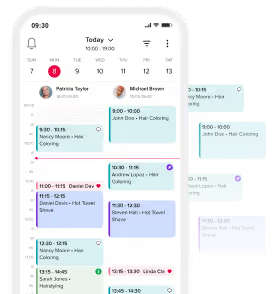
Rushing tool sanitation between back-to-back appointments causes incomplete chemical immersion, violating EPA contact time mandates. Utilizing nail salon software like Booksy Biz enables salon managers to configure automatic padding time between scheduled services.
Setting automated 15-minute to 30-minute hygiene buffers ensures nail technicians scrub implements, submerge metal tools in EPA disinfectant, and wipe down manicure tables with hospital wipes without disrupting daily booking flows.
Collecting pre-service client health data prevents cross-contamination risks and allergic reactions to chemical monomers or UV gel resins. Booksy Biz automates digital client intake forms, requiring visitors to disclose skin sensitivities, nail psoriasis, fungal infections, or latex allergies prior to arrival.
Centralized client profile notes allow staff members to flag high-risk conditions securely, ensuring nail techs select hypo-allergenic products or adjust cuticle handling techniques to protect client safety.
Disinfection destroys 99.9% of vegetative bacteria, fungi, and viruses using EPA-registered chemicals (Barbicide, quats), but does not eliminate bacterial spores. Sterilization represents the highest decontamination level, using pressurized steam autoclaves at 121°C - 134°C to destroy 100% of microbial life, including resistant endospores and bloodborne pathogens.
Porous supplies (cardboard emery boards, foam buffers, wooden orange sticks) absorb liquids, skin oils, and moisture within micro-cavities, making chemical disinfection impossible and causing high microbial cross-contamination risks. State health codes require discarding porous items immediately after a single service use.
Decontaminating metal implements requires 3 consecutive steps: 1. Mechanical cleaning with soap, water, and scrubbing brushes (or ultrasonic baths) to remove debris, 2. Chemical disinfection via 10-minute liquid submersion in EPA-registered solutions, and 3. Steam autoclave sterilization in sealed pouches.
A full decontamination cycle requires 20 to 45 minutes total processing time, encompassing 5 minutes of mechanical scrubbing, 10 minutes of chemical disinfectant contact time, 5 minutes of drying, and 15 to 20 minutes of steam autoclaving. Salons maintain 4 to 6 tool sets per station to support continuous client bookings.
Sanitizing pedicure tubs requires draining water, scrubbing basin walls with detergent to dissolve body fats, circulating EPA-registered liquid disinfectant through jets for 10 minutes minimum, and flushing lines with clean water before air-drying.