A tattoo studio marketing strategy is an integrated client acquisition system combining localized search engine optimization (Local SEO), portfolio conversion engineering, social proof generation, and automated booking deposit workflows to maximize chair occupancy and artist hourly rates.
A tattoo studio brand identity communicates specialization, hygienic standards, and artistic style to targeted client demographics before direct contact occurs.
Studio aesthetics dictate client expectations. A studio specializing in delicate illustrative botanical micro-tattoos requires minimalist branding, soft neutral color palettes, and clinical interior design. Conversely, traditional American or Japanese irezumi studios leverage bold typography, darker studio aesthetics, and historical flash wall art. Matching studio identity with artist specialization eliminates mismatch between client expectations and service pricing.
Studios hosting multiple resident artists specializing in divergent styles (e.g., black-and-gray realism, neo-traditional, ornamental, and tribal) require an overarching brand name that avoids narrow stylistic descriptors. Utilizing neutral geographic or conceptual branding allows individual resident artists to maintain independent sub-portfolios under unified studio management.
Optimizing a tattoo portfolio requires presenting verified proof of technical skill, ink longevity, and hygienic application across visual distribution channels.
Freshly tattooed skin exhibits inflammation, redness, and excess vaseline sheen, obscuring true pigment density. Documenting healed tattoos 4 to 6 weeks post-session provides authentic proof of technical execution. Featuring side-by-side fresh vs. healed comparisons demonstrates line stability, proper needle depth without blowouts, and complete color saturation, directly increasing consultation requests.
Digital portfolio theft reduces brand equity when original custom designs re-appear on competitor feeds. Applying a 15% to 20% opacity watermark containing the studio handle or logo across central image areas deters unauthorized image scraping while maintaining artistic legibility across social feeds and search indexing.
Unlike transient social media feeds, Pinterest functions as a visual search engine where users curate long-term tattoo inspiration boards. Adding direct "Save to Pinterest" metadata triggers to website gallery images indexes tattoo designs against style-specific search queries (e.g., "fine line floral forearm tattoo"). Linking pinned visual pins directly to online booking portals captures clients during initial research phases.
Participating in industry conventions and community initiatives builds regional authority while generating direct booking pipelines.
Attending regional tattoo conventions provides direct exposure to active tattoo collectors. Winning category awards at recognized conventions validates artistic reputation, justifying higher hourly rates. Promoting convention attendance 30 to 60 days in advance secures pre-booked live convention sessions, transforming booth space into a profitable promotional showroom.
Organizing flash art charity days where pre-selected small designs yield donations to local non-profit organizations attracts new demographics to the studio. Charity events generate local press coverage, increase brand awareness, and introduce first-time clients to the studio environment under low-pressure conditions.
Social media platforms serve as interactive portfolio channels when structured to route viewers directly into online booking engines.
Structuring Instagram and TikTok captions with specific geographic indicators captures local intent. Combining macro-location hashtags (#ChicagoTattooShop) with micro-style descriptors (#ChicagoBlackAndGray) routes posts into regional discovery feeds. Tagging precise studio map locations on every post reinforces local search signals.
Managing multi-artist social schedules and appointment links requires centralized management. Review industry software standards in our evaluation of the best salon software.
Generating systematic social proof requires automating review collection, structuring client referral rewards, and executing contractual bartering agreements with local creators.
Online reviews dictate local search rankings on Google Maps. Consumers cross-reference review sentiment prior to scheduling consultations, with 88% of clients trusting online ratings as much as personal recommendations. Sending automated SMS review requests 24 hours after tattoo appointment completion captures client satisfaction while the experience remains fresh, steadily building 5-star Google review volume.
Bartering tattoo work for professional services reduces studio operating costs when supported by written deliverables contracts. Exchanging custom tattoo hours for high-resolution studio photography, interior venue videography, or local web design secures premium marketing assets without direct cash expenditures. Evaluating partner audience engagement metrics before agreeing to promotional barters ensures equitable value exchange.
Data-driven marketing management requires tracking client acquisition sources, conversion rates, and campaign profitability metrics.
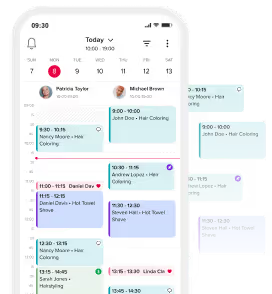
Analyzing acquisition analytics identifies high-performing marketing channels. Tracking digital touchpoints via Google Analytics and scheduling dashboards reveals whether website visitors originate from organic search, Instagram bio links, or convention QR codes. Evaluating channel-specific booking conversion rates allows managers to reallocate marketing budgets toward top-performing media.
Acknowledging performance shifts optimizes social media labor allocation. When time-lapse tattooing reels yield higher booking conversion rates than static flash photos, reallocating artist production hours toward short-form video production maximizes audience reach. Regularly reviewing scheduling software analytics ensures marketing initiatives align with chair fill rates.
Executing an integrated tattoo marketing strategy requires digital scheduling automation to capture 24/7 online booking demand, enforce non-refundable deposits, and eliminate schedule gaps.
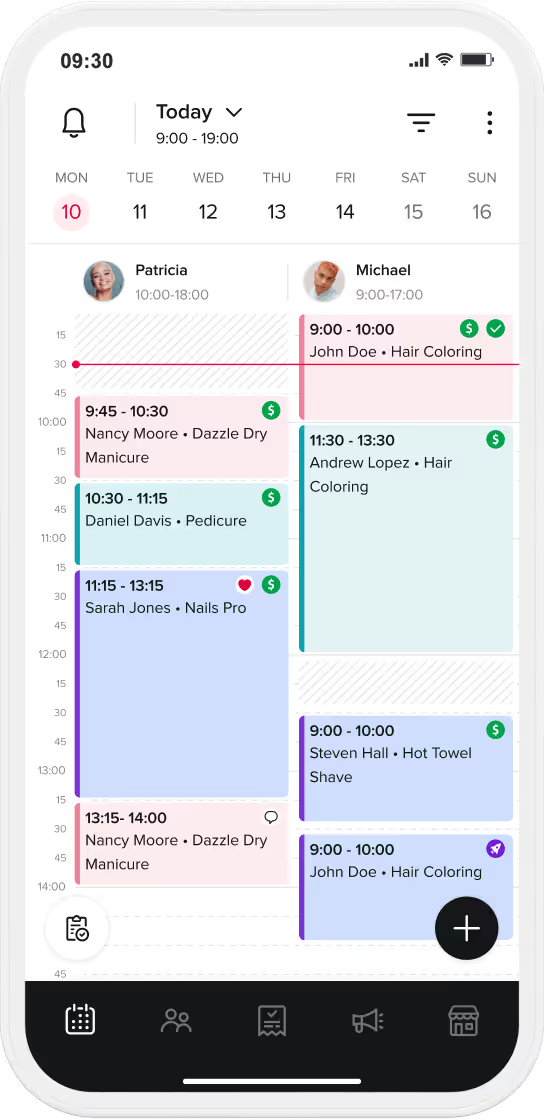
Unfilled chair time caused by late cancellations or client no-shows directly destroys artist hourly rates and studio profitability. Utilizing tattoo scheduling software like Booksy Biz enables studio owners and independent artists to enforce custom deposit policies.
Requiring upfront deposits (20% to 50%) via integrated payment gateways commits clients financially prior to session preparation, reducing no-show rates below 2% and protecting artist labor hours.
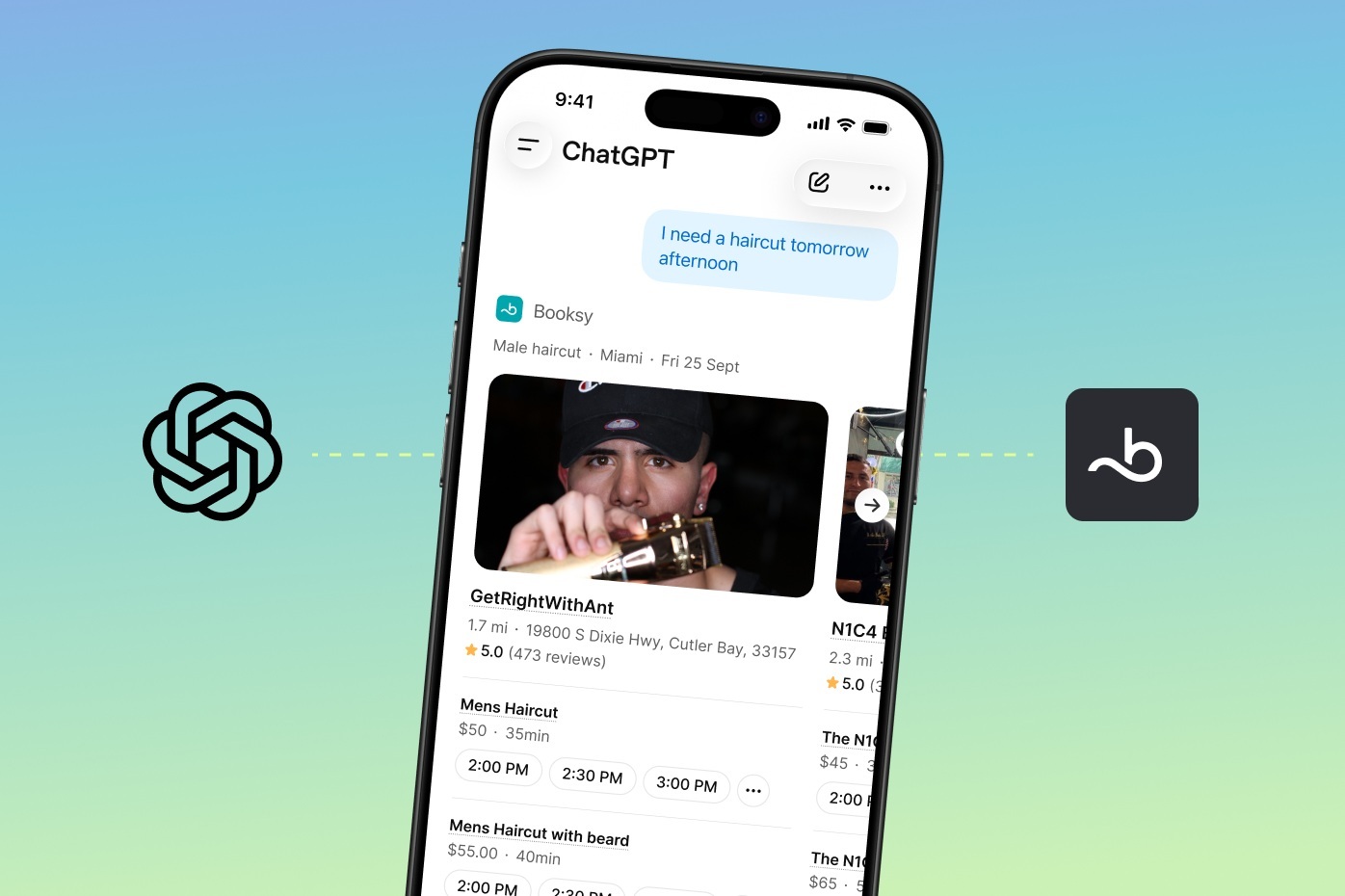
Clients search for tattoo inspiration outside standard business hours. Embedding Booksy direct booking links inside Instagram profile bio links, Pinterest pins, and Google Business Profiles allows prospective clients to claim available flash designs or book consultations instantly. Displaying custom QR codes on convention tables and promotional print assets routes physical foot traffic directly into digital scheduling queues.
The most effective marketing channel is a combination of localized Google Search Engine Optimization (Local SEO) for high-intent client discovery and Instagram/TikTok visual portfolios to demonstrate technical artistic skill. Combining organic local search visibility with direct online booking links yields the highest conversion rates.
To protect custom tattoo flash designs and original artwork online, always apply a semi-transparent watermark containing your studio handle or logo at 15% to 20% opacity across the central area of the image before publishing.
Showcasing photos of healed tattoos proves technical line stability, proper needle depth without blowouts, and long-term pigment saturation post-healing (4 to 6 weeks). Highlighting healed work builds client confidence and increases high-ticket booking conversions.
Online booking software like Booksy reduces no-shows by enforcing mandatory non-refundable deposits during checkout and sending automated SMS and email appointment reminders 24 to 48 hours prior to the session.
Yes, bartering custom tattoo labor for professional services is a highly effective strategy when trading with media professionals (photographers, videographers, or web developers) under a clear written deliverables agreement specifying media assets or promotional exposure.