Finding the ideal commercial space for a hair salon, braiding studio, or private suite is one of the most important moments for a beauty entrepreneur. But plumbing limitations often come up during inspections, becoming an unexpected roadblock to getting your business moving. Concrete slab foundations with "no-trenching" clauses, historic building codes, or landlord restrictions against wet buildouts can instantly stall your launch. If this happens, a professional portable hair washing sink becomes an indispensable, code-compliant asset that lets you get your chairs operating without thousands of dollars in contractor fees.
A portable hair washing sink is a self-contained, mobile shampoo station equipped with fresh and wastewater tanks, an electric water pump, and a hot water heater, designed for professional hair rinsing and washing without requiring direct connection to municipal plumbing lines.
Quick Answer: A portable hair washing sink solves the "no-plumbing" challenge for salon suites, mobile hair stylists, and pop-up events. By using a closed-loop system, stylists can deliver full wash and shampoo services while saving thousands in commercial plumbing construction costs.
Opening a hair salon or securing a private suite is sometimes followed by an unpleasant realization: installing fresh water lines and sanitary drain pipes into a concrete slab foundation typically costs between $3,500 and $8,000 per bowl. In many leased properties, landlords strictly forbid cutting or trenching concrete floors due to structural concerns or post-tension cables.
A portable salon hair washing sink bypasses these construction barriers. Investing in a professional portable hair washing sink with water tank capabilities serves three key salon scenarios:
In the United States, commercial hair salon sanitary standards are governed by state-level regulatory agencies—the State Board of Cosmetology and Barbering—alongside municipal health and building code departments. Before purchasing equipment, owners must understand how regulatory bodies in their area evaluate a portable sink for hair washing:
Nearly all state boards require salons to provide a continuous supply of clean, running hot and cold water. If using a mobile hair washing portable sink, the unit must feature an active electric pump (or reliable foot pump) to deliver running water through a faucet or hose sprayer. Gravity-fed trickles often fail inspection. Furthermore, water temperature must reliably reach between 100°F and 110°F to effectively dissolve hair care chemicals and ensure guest comfort.
Cosmetology boards strictly prohibit open wastewater drainage on the styling floor. A compliant portable hair washing sink with a water tank configuration must store greywater in an airtight, non-spill container that matches or exceeds the capacity of the clean-water reservoir. Draining waste into public storm drains or unauthorized basins violates environmental health standards; all greywater must be disposed of into approved sanitary sewer lines.
If you operate a traditional brick-and-mortar storefront salon, some strict jurisdictions, like in California and Texas, require at least one permanently plumbed shampoo bowl with an approved vacuum breaker to hold a full establishment license. However, if you are licensed under mobile salon provisions, operating in a designated dry suite, or providing specialized braiding and natural styling, certified self-contained portable sinks are routinely approved.
Whether sourcing a portable hair washing sink on Amazon, through specialized salon equipment distributors in the US, or ordering to Canada, check on these essential hardware specifications before buying:
Water weighs roughly 8.34 pounds per gallon. A self-contained station with a 5-gallon fresh tank and a 6-gallon wastewater tank provides enough capacity for 2 to 3 thorough shampoo-and-rinse cycles before refilling, while remaining manageable to wheel and empty. Avoid units with tiny 2-gallon tanks that interrupt client workflow.
Units relying solely on manually pre-boiled water quickly lose heat, resulting in uncomfortably cool washes for long chemical-rinse sessions. The best portable hair washing sink setups incorporate an integrated 110V on-demand water heater that warms water in seconds when plugged into standard three-prong electrical outlets.
Rinsing dense hair, thick conditioner, or permanent color requires adequate water pressure. Ensure your portable hair washing sink with sprayer includes a flexible, anti-kink hose with multiple spray settings (stream vs. wide rinse) and an ergonomic grip to prevent wrist fatigue during multi-service workdays.
Neck strain is the number one complaint during shampoo bowl services. Choose a model with an adjustable height stem and a deep, tilting basin that accommodates different client heights and aligns smoothly with standard styling chairs or recliners.
Before committing capital to construction permits or ordering mobile equipment, evaluate the long-term operational and financial trade-offs between permanent backwash plumbing and self-contained portable units:
When searching for a portable hair washing sink nearby, online retailers like Amazon, specialized beauty equipment wholesalers, or regional distributors in the US and Canada offer options at several price points:
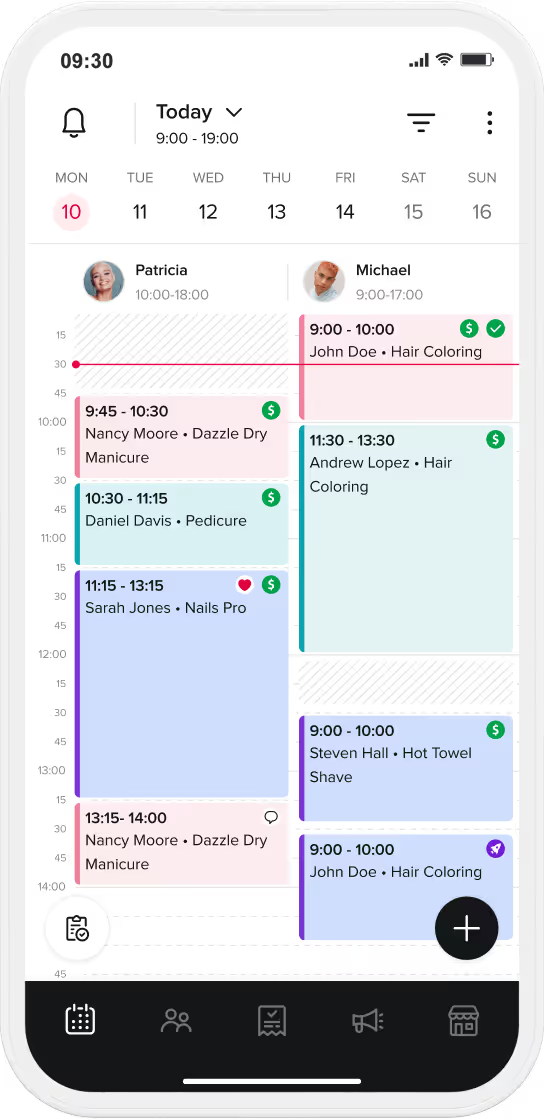
Operating a portable hair washing sink requires a clear plan for operating it well. Unlike plumbed basins that drain continuously, portable units require periodic tank emptying, sanitation wipes, and fresh water refills. Integrating smart salon management software keeps your appointment rhythm seamless:
Investing in a high-grade portable hair washing sink empowers beauty professionals to overcome real estate limitations, protect working capital, and elevate the client wash experience anywhere.
Ready to streamline your salon scheduling and service add-ons? Start your free 14-day Booksy Biz trial today.
Professional self-contained portable sinks feature built-in 110V on-demand water heaters that plug into standard electrical outlets, heating water instantly to 100°F–110°F. Budget pedestal models without electric heaters require manually adding warm water to the reservoir.
Most State Boards of Cosmetology permit portable hair washing sinks for mobile beauty licenses, salon suites, and specialized services, provided they supply continuous running hot and cold water and feature a sealed, sanitary wastewater tank. Always verify your specific state's rules, as some fixed salon establishment licenses require at least one permanently plumbed bowl.
A standard 5-to-6-gallon fresh water tank provides enough capacity for 2 to 3 full shampoo-and-rinse cycles, depending on hair thickness and flow rate. Stylists should empty the wastewater tank and refill fresh water after every 2 to 3 appointments.
Yes. Most portable basins feature height-adjustable stems (typically 36 to 52 inches) and tilting necks designed to align comfortably with the back of standard styling chairs, recliners, or wheelchair seating.
Wastewater must be carried in its sealed container and emptied directly into an approved sanitary sewer drain or utility sink—never into storm drains. Rinse the wastewater tank daily with a sanitizing bleach solution to prevent bacterial growth and odor buildup.