Your business is only as strong as the team behind the chairs, but the old-school model of boss vs. employee is officially dead. We are in the era of Talent Management, where stylists prioritize flexibility, career growth, and technical empowerment over a simple paycheck. If your salon is struggling with high turnover, "quiet quitting," or a toxic atmosphere, it’s not a staffing problem—it’s a management problem.
Effective salon staff management in 2026 requires a shift from micromanagement to mentorship. It’s about building a culture where your best talent stay because they see a clear path to their own success. This guide provides the strategic blueprint for attracting, paying, and retaining the industry's top talent.
1. Modern Recruitment: Attracting High Performers in a Competitive Market
Finding a stylist with a great Instagram portfolio is easy; the real challenge is finding a professional who fits your culture, shows up on time, and understands the business.
The "Vibe Check" Job Post: Selling the Salon Experience
Traditional job ads that list requirements and duties are ignored by top-tier talent. To attract the best, your job post must sell the experience of working for you.
- The "What’s In It For Me" Factor: Highlight your continuing education programs, your flexible scheduling options, and your tech stack. High-level stylists want to know they won’t be bogged down by manual admin work.
- Language Matters: Use phrases like "Join a high-performance team" or "Scale your career with us." This signals that you are looking for professionals, not just booth renters looking for a place to park their clips.
The Stylist Skill Test: Evaluating Soft Skills and Technical Speed
An Instagram feed is a curated lie; a live appointment is the truth. A modern recruitment process must move beyond the screen:
- The Cultural Interview: Focus on soft skills—how they handle difficult clients, their teamwork philosophy, and their long-term career goals.
- The Technical Demo: Have the candidate perform a live service (or a complex part of one) on a model in your salon. Observe their station cleanliness, their consultation style, and their technical speed. A stylist who takes four hours for a basic balayage will kill your margins, regardless of how good the result looks.
Employer Branding: Using Social Media to Recruit While You Sleep
Top stylists follow other top stylists. If your salon’s social media only shows hair but never shows your team laughing, learning, or succeeding, you are failing at employer branding.
- Showcase Growth: Post about your team’s latest masterclass or a stylist’s recent promotion.
- Team BTS: Show the behind-the-scenes life in the staff room. High-caliber talent wants to work in an environment that feels supportive and professional, not stagnant.
2. Beyond Flat Commissions: Engineering a 2026 Pay Structure
A well-engineered pay structure aligns both profitability and staff satisfaction. The goal of salon staff management is to create a "win-win" scenario where the more the stylist earns, the more the salon profits.
The Tiered Commission Model: Motivating Through Performance Milestones
Flat 50/50 commissions are a relic of the past because they offer zero incentive for growth. Instead, implement a tiered system that rewards high performance:
- Level 1 (Entry): 35–40% commission while they are building their book and require more management time.
- Level 2 (Growth): 45% commission once they hit a specific monthly revenue target and maintain a 60% rebooking rate.
- Level 3 (Master): 50% commission plus a higher service price point, reserved for those with a full book and consistently high retail-to-service ratios.
| Stylist Level |
Commission Rate |
Performance Milestone |
Key Benefit |
| Level 1: Entry |
35% - 40% |
Building book / Junior status |
High mentorship & training hours |
| Level 2: Growth |
45% |
60% Rebooking Rate |
Increased marketing support |
| Level 3: Master |
50% + High Ticket |
Full book & High Retail ratio |
Creative Days & Mentoring roles |
Hybrid Pay Models: Balancing Financial Stability with High-Earning Ambition
To compete with the "solo stylist" trend, many top salons are moving to hybrid models. This provides a guaranteed hourly base (peace of mind) plus a performance-based commission (the drive to sell). This is particularly effective for attracting Gen Z talent who value financial security alongside the potential for high earnings.
Transparency in Payroll: Building Trust Through Automated Earnings Tracking
One of the biggest friction points in salon staff management is paycheck paranoia—stylists feeling that their commissions or tips are being miscalculated.
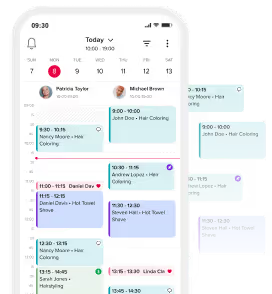
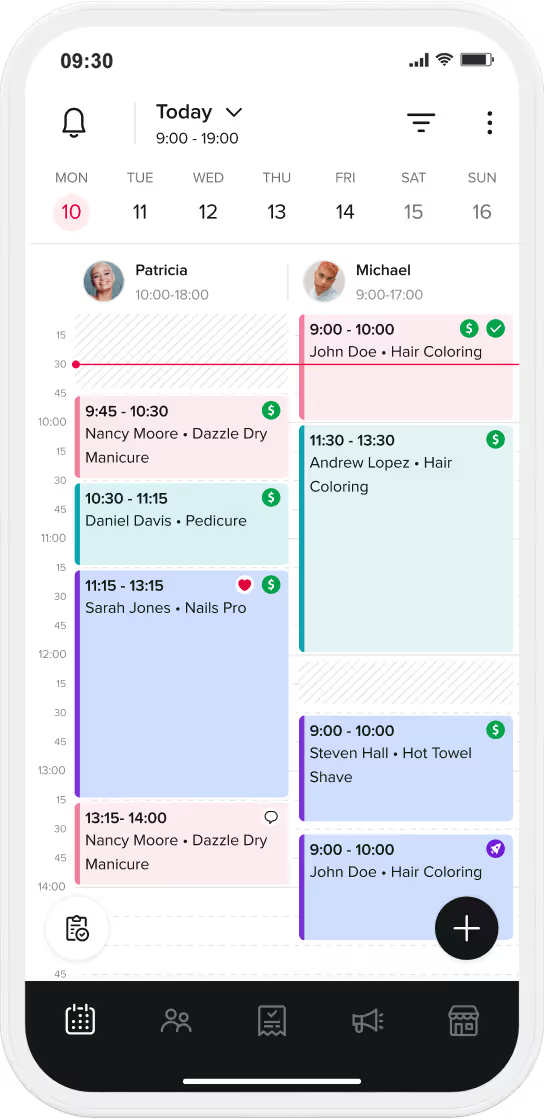
- Eliminate the Mystery: Use management software like Booksy that gives stylists a personal login to track their own performance, tips, and projected commissions in real-time.
- The Trust Factor: When a stylist can see exactly how much they earned today and why, it eliminates conflict and allows them to focus on what they do best: creating beautiful hair.
3. The Morale Killer vs. High-Performance Culture
Every salon owner has experienced it: one incredibly talented stylist who brings in high revenue but systematically kills the team’s morale behind the scenes. In modern salon staff management, protecting your culture is more important than protecting a single high-earning chair. A toxic environment drives away your best upcoming talent and eventually alienates your clients.
Defining Your Non-Negotiables: Values as Actionable Behaviors
Culture isn't a poster on the wall; it’s the set of behaviors you reward and the behaviors you tolerate. To build a high-performance team, you must define your non-Negotiables.
- The Standard: If a stylist is late for their first client, complains about "low-ticket" bookings in front of assistants, or refuses to help with salon upkeep, they are violating the culture.
- Radical Candor: Address these behaviors immediately. A high-performance culture is one where everyone knows the standard and is held accountable to it, regardless of their seniority or retail sales.
Identifying Toxic Energy: Protecting Your Team from Cultural Contagion
Toxic energy spreads. If one person is allowed to gossip or undermine your leadership, others will follow.
- The Cost of Keeping Toxicity: Often, owners fear losing the revenue of a senior stylist. However, the cost of losing three junior stylists and a receptionist because of that person's toxicity is far higher in the long run.
- The "Hire Slow, Fire Fast" Rule: When someone proves they are a poor cultural fit, move them out quickly. Your highest performers will respect you for protecting their workspace.
| Category |
Behaviors |
Culture Impact |
Management Action |
| Problematic |
Occasional lateness, skill gaps, inconsistent retail sales. |
Minor friction; can be coached. |
Mentorship & KPI tracking. |
| Toxic |
Gossiping, undermining leadership, technical arrogance. |
Destroys team morale; de-energizes others. |
Immediate termination / Fire Fast. |
The Daily Huddle: 10 Minutes to Align Goals and Energy
The most effective way to combat negative staff room talk is to replace it with a structured morning huddle.
- The Agenda: Celebrate one win from yesterday, identify one gap in today’s schedule, and set a specific focus (e.g., "Today we are all focusing on scalp massage upsells").
- Building Focus: By starting the day with a shared goal, you move the team out of a "me" mindset and into a "we" mindset, leaving no room for toxic distractions.
4. Radical Retention: Why Flexibility is the New Currency
In 2026, the biggest threat to your salon isn't the competitor across the street—it’s more flexible settings. Stylists are leaving traditional salons for booth rentals and suites because they crave one thing: Autonomy. To retain your best talent, you must offer a level of flexibility that makes staying more attractive than going solo.
The Death of the 9-to-5: Implementing Shift Work and 4-Day Weeks
The traditional Tuesday to Saturday, 9:00 AM to 6:00 PM schedule is a retention killer for the modern workforce.
- The Shift Swap: Implement morning and evening shifts. This allows the salon to stay open longer (capturing more revenue) while giving stylists the mornings or afternoons off for their personal lives.
- The 4-Day Work Week: Many high-performance salons are moving to 10-hour days over four days. This gives stylists three full days of rest, drastically reducing burnout and making your salon a highly competitive place to work.
| Scheduling Model |
Structure |
Pros |
Retention Value |
| The Shift Swap |
Morning (8am-2pm) / Evening (2pm-8pm) |
Longer salon hours; more revenue. |
High (Work-Life balance) |
| The 4-Day Week |
Four 10-hour days. |
Concentrated productivity. |
Maximum (Prevents burnout) |
| Creative Days |
1 day/month for non-production work. |
Portfolio & Education growth. |
Premium (Professional fulfillment) |
Preventing Burnout: Creative Days and Mental Health Support
Styling is physically and emotionally exhausting. If your team only ever does production work, they will burn out.
- Project Days: Allow senior stylists one "Creative Day" a month where they can work on portfolio shoots, education, or content creation rather than behind-the-chair services.
- Sustainable Pace: Use your scheduling software to build in mandatory buffer times for lunch and rest. A stylist who isn't rushing is a stylist who provides better consultations and sells more retail.
The Career Pathway: From Salon Assistant to Creative Director
Stylists leave when they feel they have hit a ceiling but they stay when they see a path for the future.
- Defined Growth Tiers: Create a clear roadmap for advancement. An assistant should know exactly what they need to achieve (technically and financially) to become a Junior, a Senior, and eventually a Creative Director or Educator.
- The "Intrapreneur" Model: Treat your top stylists like partners. Give them "ownership" over a specific part of the business—such as being the "Head of Social Media" or "Director of Education"—and compensate them for that leadership role. When a stylist feels they are building their legacy within your salon, they have no reason to leave.
5. Leadership as Mentorship: Transforming the Managerial Role
In 2026, the term "boss" is becoming obsolete in the beauty industry. Top-tier stylists don't want to be managed; they want to be mentored. Salon staff management is now a service you provide to your team to help them reach their full potential. When you shift your role from a taskmaster to a coach, you build a culture of loyalty that no competitor can buy.
The 1-on-1 Framework: Monthly Growth Meetings vs. Yearly Reviews
Waiting until a yearly review to discuss performance is a recipe for high turnover. By then, problems have festered, and goals have been forgotten.
- The Monthly Pulse: Schedule 15-to-30-minute individual meetings every month. These shouldn't be "disciplinary" sessions. Instead, ask: "What was your biggest win this month?" and "What hurdle can I remove for you in the next 30 days?"
- Active Goal Setting: Use these meetings to track progress toward their next "commission tier." When a stylist feels you are actively helping them make more money, they stop looking for the exit.
Empowerment over Micromanagement: Giving Stylists a Voice
Micromanagement kills creativity. To keep your high performers engaged, you must give them ownership over aspects of the salon.
- The Brand Council: Involve your senior stylists in choosing new color lines or backbar products.
- Marketing Input: Ask your team for their input on the next salon promotion. If they helped create it, they will be ten times more motivated to sell it to their clients.
Internal Academies: Building a Continuous Education Cycle
The #1 reason stylists stay at a salon is the opportunity to learn. If the learning stops, they leave.
- The "Shadow" Program: Create a structured path where assistants don't just sweep floors but actively shadow senior stylists on specific days.
- In-House Workshops: Encourage your senior staff to host monthly Masterclasses for the rest of the team, postioning them as leaders and providing free, high-value education for the rest of your staff.
6. Technical Integration: Data-Driven Salon Staff Management
To manage a high-performance team, you need objective data. Gut feelings" about who is working hard or who is lazy lead to favoritism and resentment. Technical integration allows you to lead with facts, providing a transparent environment where everyone knows exactly where they stand.
Performance Dashboards: Empowering Stylists with Real-Time Data
Modern salon staff management leverages technology to give stylists agency over their own success.
- Personal Success Tracking: Use staff management software like Booksy that gives each stylist their own login to view their Average Ticket Value (ATV), Rebooking Rate, and Total Revenue.
- Gamification: When stylists can see their numbers moving in real-time, work becomes a game they want to win. They can see exactly how one extra retail sale or one treatment add-on impacts their daily earnings.
Reducing Admin Friction: How Automation Frees Your Team
The fastest way to frustrate a creative professional is to bury them in paperwork, phone calls, and manual booking tasks.
- Automated Waitlists and Rebooking: Let the software handle the "chore" of filling gaps in the schedule. When a stylist doesn't have to worry about a sudden cancellation because the system automatically notifies the waitlist, their stress levels drop.
- The Digital Assistant: Automation acts as a 24/7 receptionist. This allows your team to stay focused on the client in their chair, leading to better service and higher tips.
Transparency in Payroll and Commissions
There is no faster way to lose a stylist's trust than a mistake on their paycheck. Technical integration removes the mystery of payroll.
- Automatic Calculation: Your salon software should automatically calculate commissions based on your tiered structure, factoring in retail vs. service splits and tips.
- Instant Access: Allowing stylists to see their Projected Commission for the week builds immense trust and keeps them focused on hitting their targets to reach the next tier.
The 10 Essential Disciplines of a High-Performing Salon Team
Successful salon staff management in 2026 is an ongoing discipline, not a one-time setup. To wrap up your strategy, ensure you are hitting these 10 core pillars:
- Recruit for Culture: Skills can be taught; attitude is permanent.
- Tier Your Commissions: Reward growth, not just attendance.
- Protect the Environment: Remove toxic "Staff Room Terrorists" early.
- Offer Radical Flexibility: Compete with "suites" by offering better work-life balance.
- Create Clear Pathways: Show every team member their "Version 2.0" in your salon.
- Lead as a Mentor: Shift from "Boss" to "Coach."
- Hold Daily Huddles: Align the team's energy before the first client arrives.
- Educate Constantly: Become a destination for learning.
- Lead with Data: Use real-time metrics to stay objective and transparent.
- Celebrate Wins: Acknowledge the small victories to build a winning momentum.
By implementing these strategies, you aren't just managing staff—you are building a brand that attracts the best, keeps the best, and consistently outperforms the market. Your salon is no longer just a place of work; it is a high-performance ecosystem where talent thrives.
FAQ: Salon Staff Management in 2026
How do I attract high-performing stylists in a competitive market?
Top-tier talent in 2026 isn't looking for just a paycheck; they want a "vibe-fit." Your job postings should sell the salon experience, focusing on your continuing education programs, tech stack (like Booksy), and flexible scheduling. Use language that emphasizes career scaling rather than just "hiring for a position."
What is the best alternative to flat 50/50 commissions?
Flat commissions offer zero incentive for growth. Instead, implement a Tiered Commission Model. Start entry-level stylists at 35–40% and provide a clear roadmap to 50% based on hitting revenue targets and maintaining high rebooking rates. This motivates stylists to improve their performance to reach the next "pay level."
How should I handle a high-earning stylist who is toxic to the team?
In 2026, protecting your culture is more important than protecting a single chair's revenue. Toxic energy is a "cultural contagion" that drives away your best upcoming talent. The rule is to Hire Slow, Fire Fast. Address the behavior immediately with radical candor; if they don't align with your non-negotiables, move them out to save the rest of your team.
Why is flexibility considered the "new currency" for retention?
Stylists are increasingly leaving for booth rentals to gain autonomy. To compete, salons must offer flexibility through shift work (morning/evening blocks) or 4-day work weeks. Giving stylists three days of rest or creative freedom drastically reduces burnout and makes your salon more attractive than going solo.
How does management software like Booksy improve staff morale?
Technology eliminates "paycheck paranoia." By giving stylists their own login to track their Average Ticket Value (ATV), rebooking rates, and projected commissions in real-time, you build a culture of transparency. Stylists feel empowered when they see exactly how their hard work translates into earnings without any administrative mystery.